Wednesday, April 11, 2007
Easter: an egg, a blasted beach and a Roman soldier
To Tyneside for a delightful long Easter weekend
Saturday, March 24, 2007
Tyneside and the Abolition of Slavery
This weekend marks the bi-centennial anniversary of the Slave Trade Act 1807.
Unlike the Atlantic ports of Bristol and Liverpool, Newcastle upon Tyne owed most of its prosperity to the blood and toil of its mining communities rather than the appalling trade in human cargo from Africa, and it was a Northumbrian, Prime Minister Charles Grey, who was responsible for steering the Bill for the Abolition of the Slave Trade through the House of Commons.
The 1807 Act however did not end slavery within the British Empire as slaves could still be owned but not sold. The abolitionist movement continued to campaign against the institution of slavery and in 1827 the Anti-Slavery Society was founded. Like many others around the country, the good ladies of Newcastle upon Tyne and Gateshead petitioned for Abolition:

and on 23 August 1833 the Slavery Abolition Act outlawing slavery in British colonies was passed.
Thursday, March 08, 2007
Martins nets two on International Women's Day
Monday, March 05, 2007
Wednesday, February 14, 2007
Thursday, February 08, 2007
Volume of Snow hits the New River
Friday, February 02, 2007
Volume on Tyneside
Monday, January 29, 2007
Monday, January 01, 2007
Sunday, December 31, 2006
Farewell 2006
Saturday, December 23, 2006
"O little town of Bethlehem........."
Monday, December 11, 2006
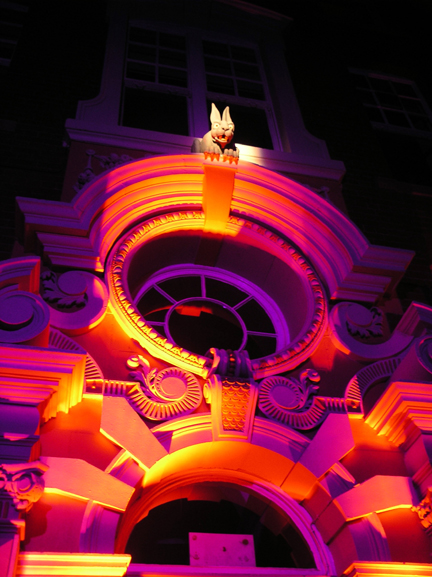
Vampire Rabbit aglow in Newcastle....or is it a hare?

photograph courtesy of Susan Chaplin
Newcastle upon Tyne is currently hosting Glow, a collection of lighting installations and illuminations scattered around its quayside district.
the photo above is of a doorway in Amen Corner near the city's St Nicholas Cathedral. Above the door is the 'Vampire Rabbit' a gargoyle with red fangs and long red nails.

photo by S Ellwood
Sunday, September 03, 2006
A recent sojourn in Gascony
two weeks at the end of August spent with delightful company in a quiet corner of France.

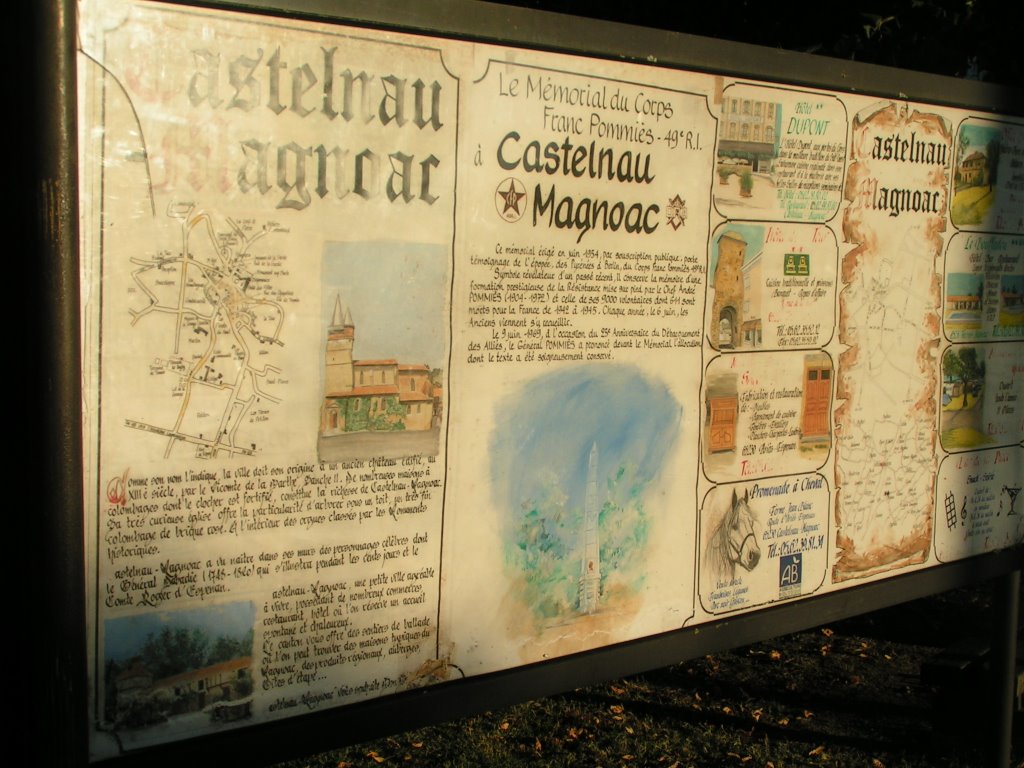
the sign for the local village, Castelnau Magnoac.

the morning view

religious tat in a Lourdes shop window

sunflowers near Tillac

the sign for the local village, Castelnau Magnoac.

the morning view

religious tat in a Lourdes shop window

sunflowers near Tillac
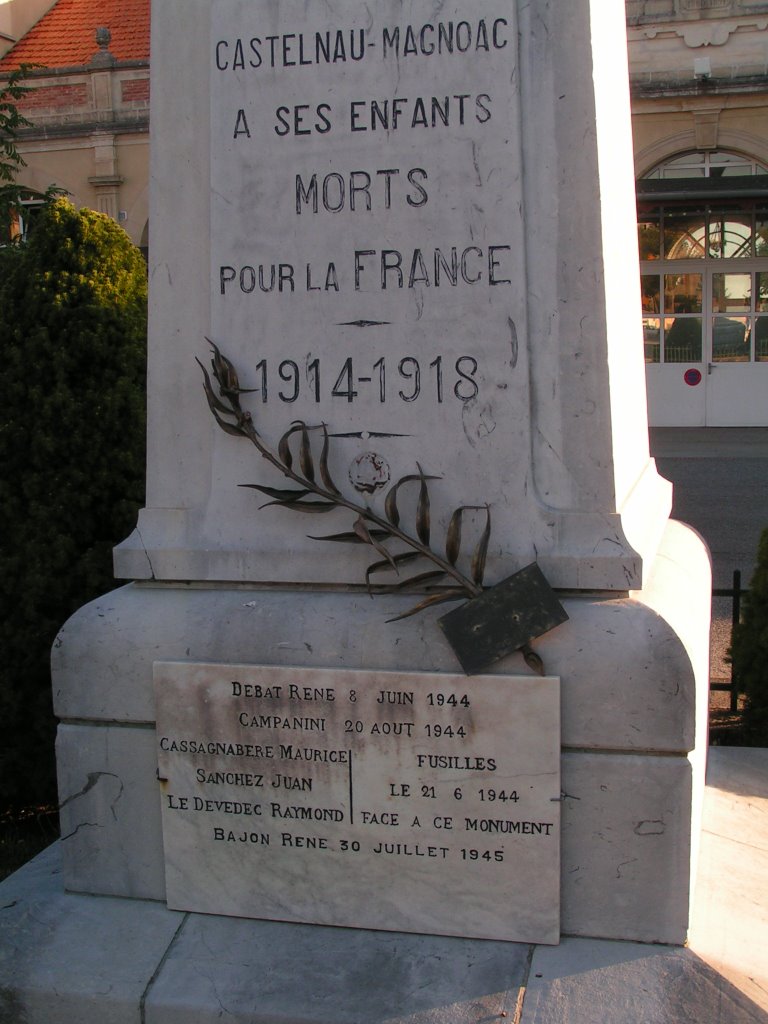
This part of Gascony has many roadside memorials to local Resistance fighters, and Castlenau Magnoac is home to a national memorial which pays homage to the irregular fighting force, made up of members of the Resistance and known as the Pommies who were organized by, and named after, General Andre Pommies who was also a member of the Maquis. 511 members of the Pommies died in the fight against Nazi Germany between D-Day and the Armistice.
There is also a small Pommies museum in the village next to the bar/cafe Le Memory (see photo below; click to enlarge).. 
Thursday, August 17, 2006
Geordie dialect under threat in.........Newcastle.
"Whisht! lads, haad yor gobs and aa'll tell yer aall and aaful story" (*) and this is it:
The City fathers, aka the local Council, have seen fit to bar their employees from using two delightful Geordie words of endearment, "hinny" and "pet" , when dealing with members of the public.
Now it would take a dyed in the wool hard-line feminist to be offended by these colloquialisms but in our modern world of political correctness the Council is clearly running scared of potential law suits from the hyper-sensitive.
The City fathers, aka the local Council, have seen fit to bar their employees from using two delightful Geordie words of endearment, "hinny" and "pet" , when dealing with members of the public.
Now it would take a dyed in the wool hard-line feminist to be offended by these colloquialisms but in our modern world of political correctness the Council is clearly running scared of potential law suits from the hyper-sensitive.
* from the Lambton Worm
Monday, August 14, 2006
Sunday, August 06, 2006
Saturday, July 29, 2006
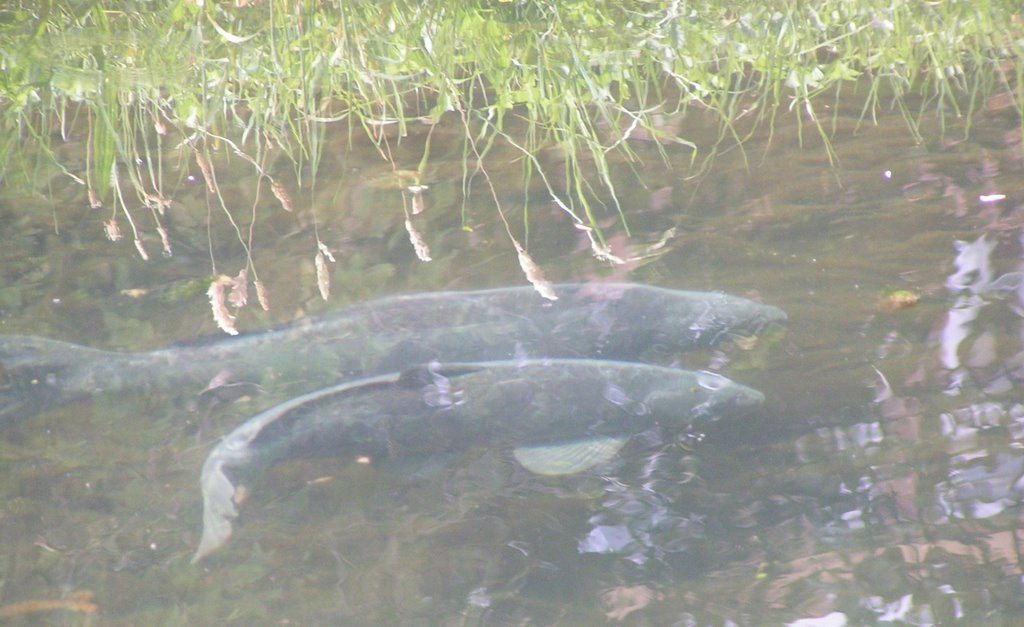
Recent sightings on the New River
Monday, July 17, 2006
Typhoon Bilis hinders homecoming
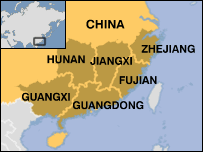
With his flight out of Hong Kong due to leave within 27 hours the son of the family is somewhere in typhoon hit Jiangxi Province, on a bus journey scheduled to take around 12 hours at the best of times to Shenzen in Guandong Province near Hong Kong.
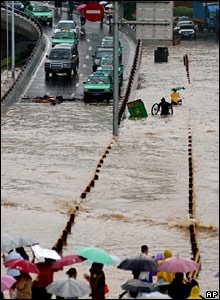
Torrential rain following the storm has hit Southern China hard bringing severe flooding and landslides which have forced millions to flee their homes.
A scene in Fuzhou, Fujian. Photos from the BBC.

Shaoguan, Guandong

Now missing the flight would be of little consequence compared to the misery of so many flood victims, but here's wishing that bus a safe road home.
Torrential rain following the storm has hit Southern China hard bringing severe flooding and landslides which have forced millions to flee their homes.

A scene in Fuzhou, Fujian. Photos from the BBC.

Shaoguan, Guandong

Now missing the flight would be of little consequence compared to the misery of so many flood victims, but here's wishing that bus a safe road home.
Friday, July 14, 2006
Swan song on the Tyne
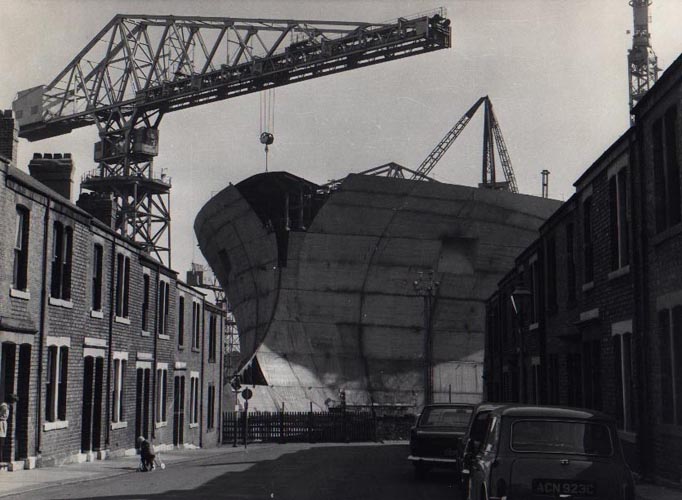
Once one of the greatest shipbuilding rivers in the world, the Tyne is currently witnessing the death throes of the last major ship yard on its legendary waters.
Shipbuilders Swan Hunter have probably built their last ship following a government decision to remove two naval vessels for completion elsewhere because of massive cost overruns and time delays. The yard's future is now likely to lie in ship-breaking rather than ship-building.
Famous ships such as the Mauretania, once the largest ship in the world and which held the coveted Blue Riband for the fastest Atlantic crossing, the Carpathia which rescued the survivors from the Titanic and HMS Ark Royal the current flagship of the Royal Navy were all built at their Wallsend yard.
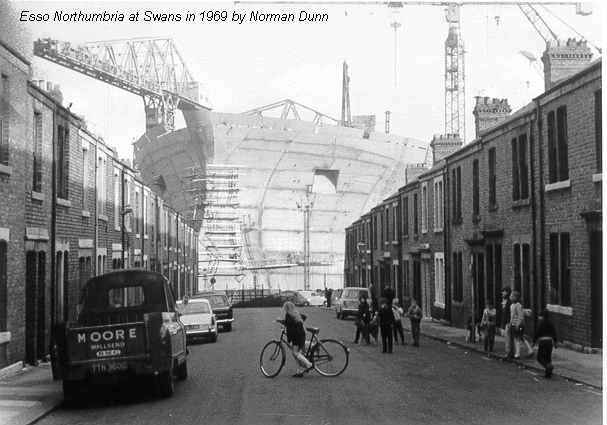
In the early 1970s they produced several 'supertankers' which, during construction, towered over the adjacent terraced houses. (See pictures below by Norman Dunn. click to enlarge)

Shipbuilders Swan Hunter have probably built their last ship following a government decision to remove two naval vessels for completion elsewhere because of massive cost overruns and time delays. The yard's future is now likely to lie in ship-breaking rather than ship-building.
Famous ships such as the Mauretania, once the largest ship in the world and which held the coveted Blue Riband for the fastest Atlantic crossing, the Carpathia which rescued the survivors from the Titanic and HMS Ark Royal the current flagship of the Royal Navy were all built at their Wallsend yard.
In the early 1970s they produced several 'supertankers' which, during construction, towered over the adjacent terraced houses. (See pictures below by Norman Dunn. click to enlarge)
Wednesday, July 05, 2006
Grandad & the march from Kabul to Kandahar
6 British soldiers have been killed in Afghanistan's volatile Helmand province in the last 4 weeks bringing into question why our troops are there and whether they can they succeed in their mission when it is by no means certain what their mission is.
History shows that foreign powers rarely prosper in remote Afghanistan and certainly not in the long-term as the once mighty Soviet Union learned to their cost.
One earlier British military success there occurred in September 1880 when Lieutenant General Sir Frederick Roberts led a force of 2,562 British and 7,151 Indian troops to relieve surviving troops from a defeat on 27 July by the Afghan ruler Ayub Khan at Maiwand; who were besieged in Kandahar 40 miles to the west . The relief force from Kabul reached Kandahar on 31st August 1880 and rescued the beleaguered defenders. Roberts had force marched his troops 300 miles, through hot and harsh terrain, in three weeks, a feat which entered the annals of army history.
Much later, in 1914, when Grandfather Charles Gordon was training with the Northumberland Fusiliers in Buckinghamshire he was billeted with a Mr Arnold and family in Chesham. One evening Grandad arrived back at the Arnold's complaining bitterly about a 20 mile route march he had completed that day. Mr Arnold, who was a veteran of that long march from Kabul, chided him; "Charlie" he said " that's nothing, you should have been on the march from Kabul to Kandahar."
The British and Indian regiments were to finally withdraw from Afghanistan in 1881 following the Treaty of Gandamak whereby a large part of Afghan territory became part of India, including much mountainous tribal territory. 65 years of conflict between tribes there and the British and Indian armies followed. Roll forward to Helmund province, July 2006 where a small and underesourced British force is on a hiding to nothing.
"Those who ignore history are condemned to repeat it"
History shows that foreign powers rarely prosper in remote Afghanistan and certainly not in the long-term as the once mighty Soviet Union learned to their cost.
One earlier British military success there occurred in September 1880 when Lieutenant General Sir Frederick Roberts led a force of 2,562 British and 7,151 Indian troops to relieve surviving troops from a defeat on 27 July by the Afghan ruler Ayub Khan at Maiwand; who were besieged in Kandahar 40 miles to the west . The relief force from Kabul reached Kandahar on 31st August 1880 and rescued the beleaguered defenders. Roberts had force marched his troops 300 miles, through hot and harsh terrain, in three weeks, a feat which entered the annals of army history.
Much later, in 1914, when Grandfather Charles Gordon was training with the Northumberland Fusiliers in Buckinghamshire he was billeted with a Mr Arnold and family in Chesham. One evening Grandad arrived back at the Arnold's complaining bitterly about a 20 mile route march he had completed that day. Mr Arnold, who was a veteran of that long march from Kabul, chided him; "Charlie" he said " that's nothing, you should have been on the march from Kabul to Kandahar."
The British and Indian regiments were to finally withdraw from Afghanistan in 1881 following the Treaty of Gandamak whereby a large part of Afghan territory became part of India, including much mountainous tribal territory. 65 years of conflict between tribes there and the British and Indian armies followed. Roll forward to Helmund province, July 2006 where a small and underesourced British force is on a hiding to nothing.
"Those who ignore history are condemned to repeat it"
Saturday, July 01, 2006
The Somme. July 1, 1916
90 years ago today, at 07.30 hours, the Battle of the Somme began and by the end of the day 20,000 British and Empire soldiers had been killed and 40,000 wounded; amongst them coal miners from Northumberland, men from the slums of the East End of London, and the Prime Minister's son, Raymond Asquith of the Grenadier Guards.
When the battle ended in November the British casualties numbered 420,000 dead, wounded and missing , the French more than 200,000 and the Germans around 650,000. Most of these men were from the industrial working classes whose pre-war lives would have had more in common with each other than with the politicians who led them into war and with the Generals who directed them into a maelstrom of futile and senseless slaughter in a landscape of unimaginable privation.
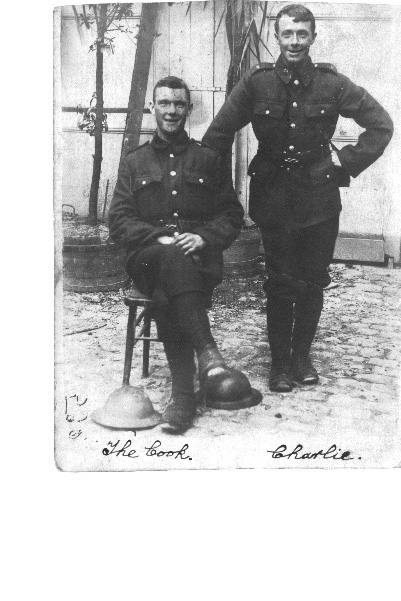
My grandfather Charles Crow Gordon was at the Somme that day, serving as a signaller with the 14th Battalion of the Northumberland Fusiliers. Charles had volunteered in Newcastle upon Tyne in September 1914, finally returning home in 1918.
The photograph below shows my Grandfather Charles standing next to his comrade and friend Ernie. The photo was sent to Charles by Ernie on 24 August 1931 with the following words:
"Dear Charlie, ...... Hoping you are all well......thought this would bring memories of Arras, August 1916 after July 1 on the Somme, Yr old friend Ernie."
When the battle ended in November the British casualties numbered 420,000 dead, wounded and missing , the French more than 200,000 and the Germans around 650,000. Most of these men were from the industrial working classes whose pre-war lives would have had more in common with each other than with the politicians who led them into war and with the Generals who directed them into a maelstrom of futile and senseless slaughter in a landscape of unimaginable privation.
My grandfather Charles Crow Gordon was at the Somme that day, serving as a signaller with the 14th Battalion of the Northumberland Fusiliers. Charles had volunteered in Newcastle upon Tyne in September 1914, finally returning home in 1918.
The photograph below shows my Grandfather Charles standing next to his comrade and friend Ernie. The photo was sent to Charles by Ernie on 24 August 1931 with the following words:
"Dear Charlie, ...... Hoping you are all well......thought this would bring memories of Arras, August 1916 after July 1 on the Somme, Yr old friend Ernie."
Thursday, June 29, 2006
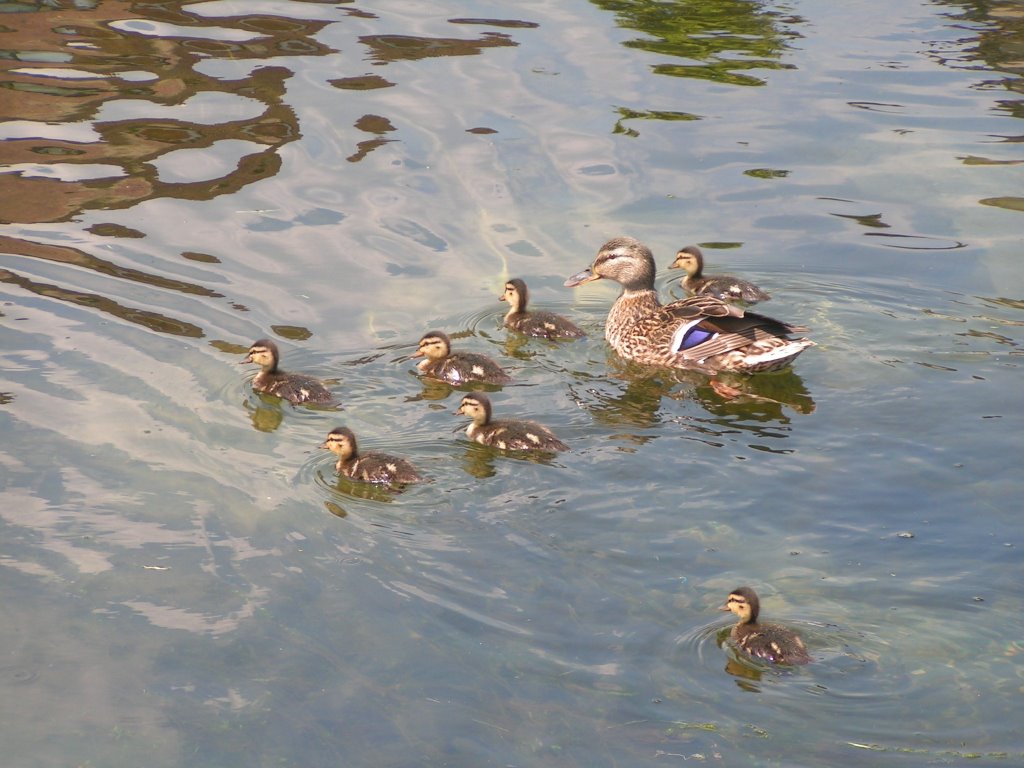
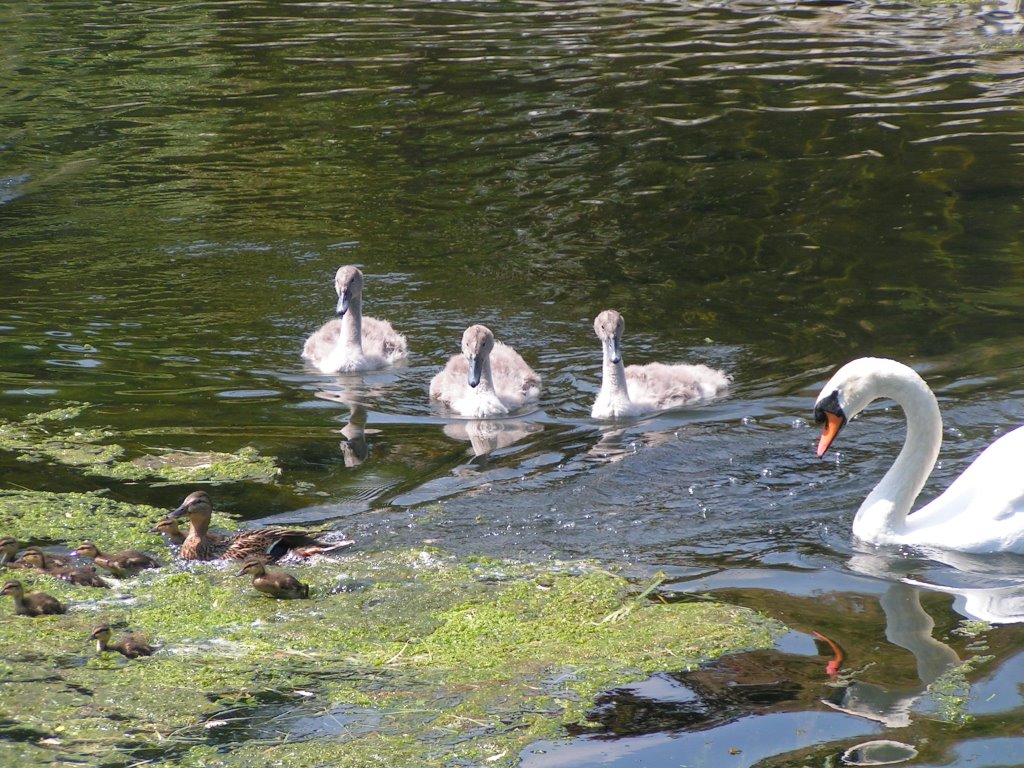
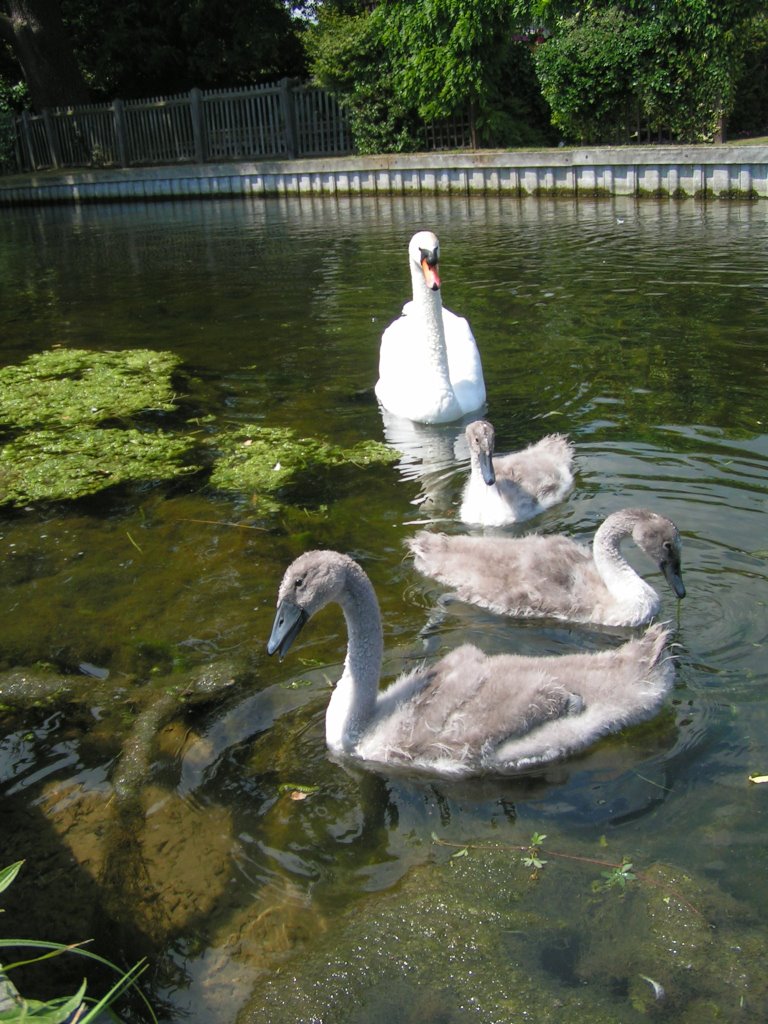
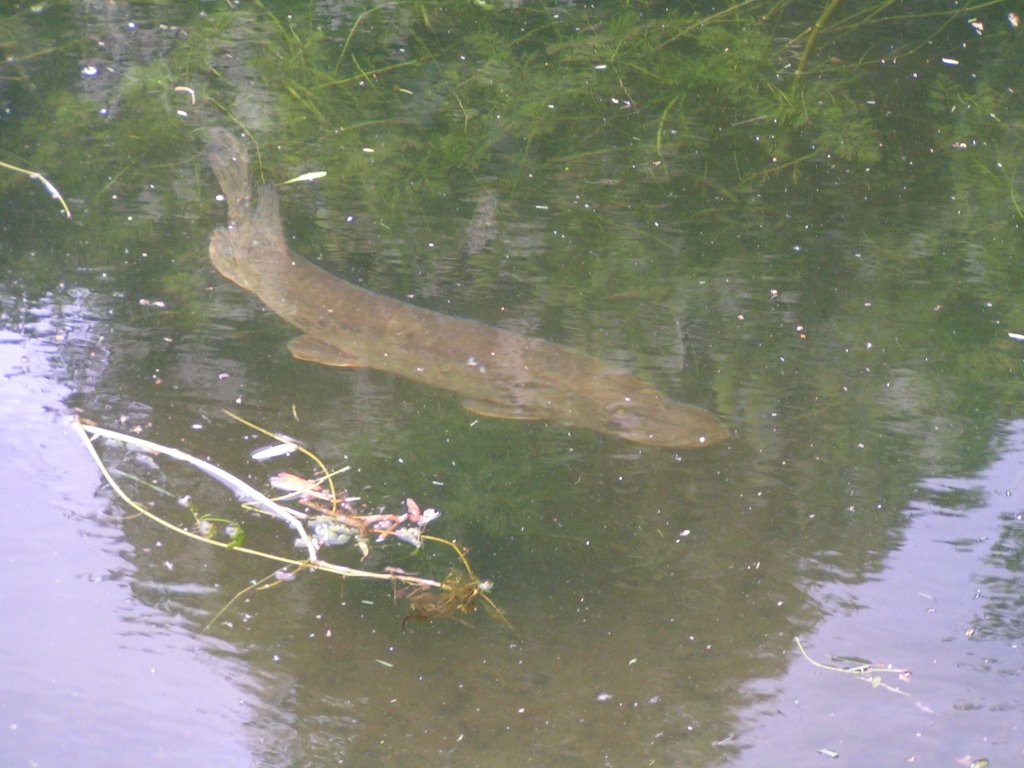
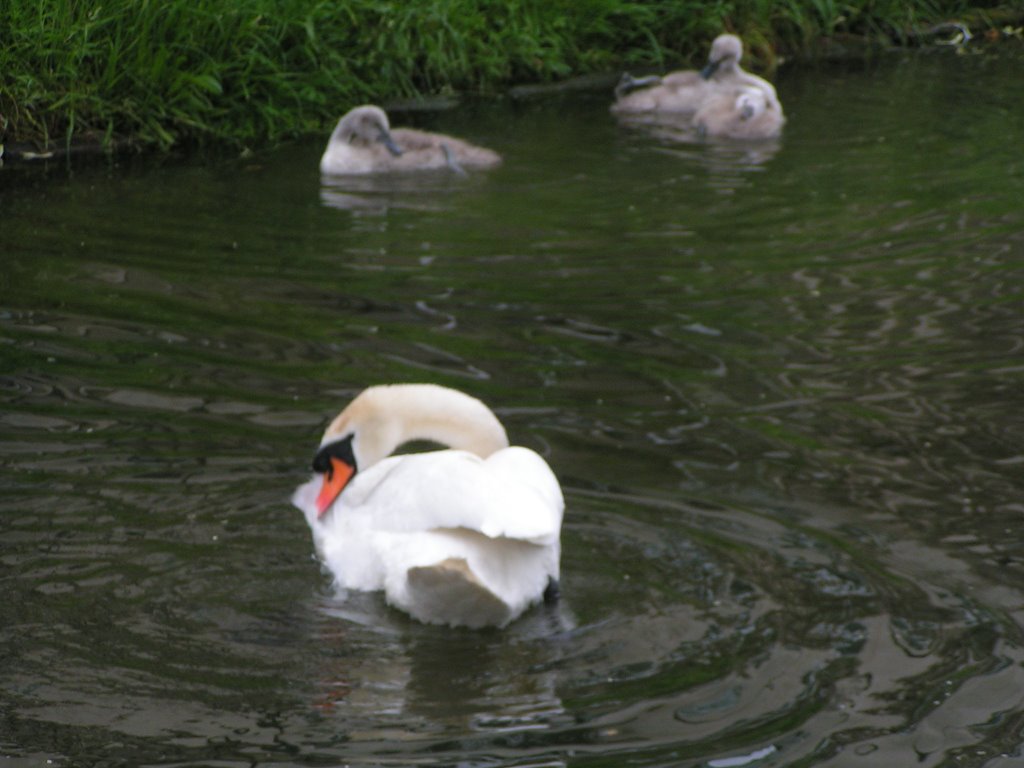
Cygnets, Ducklings and a Predator on the New River
Sunday, June 18, 2006
Father's Day at Tate Modern
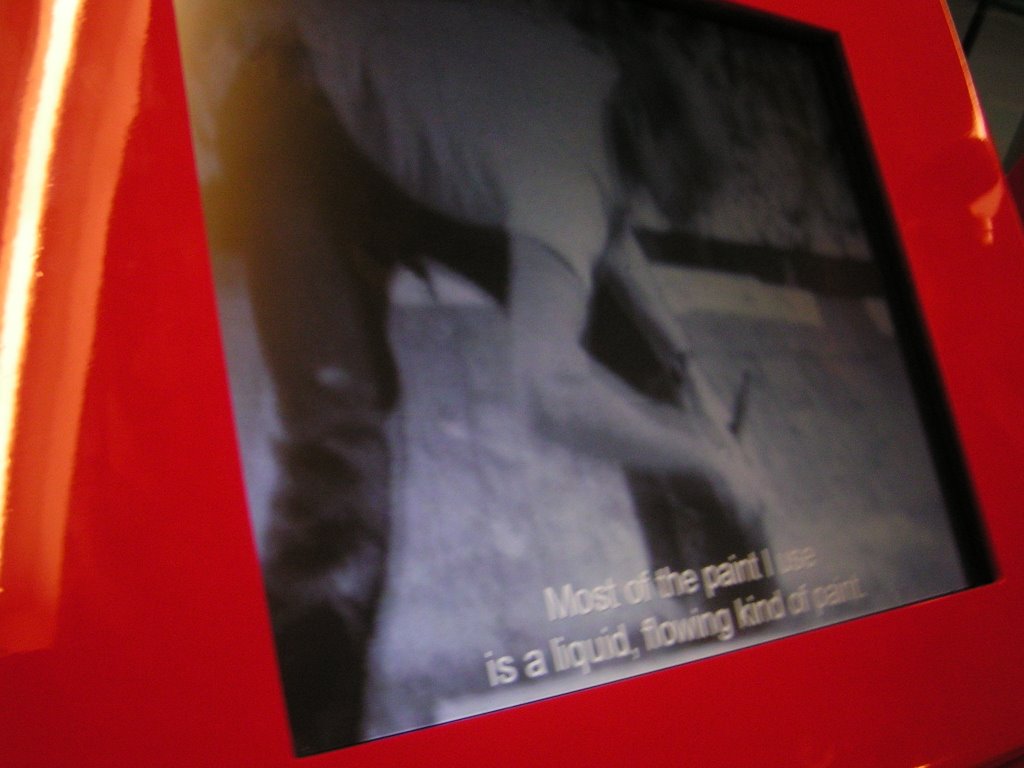
A day which began with a good breakfast and felicitations from senior offspring in the Netherlands and the PRC continued with a trip toTate Modern with younger daughter where we saw a film of Jackson Pollock at work:

click on photos to enlarge

click on photos to enlarge
and some wooden stuff in juxtaposition:
and a visitor in the Turbine Hall:
Thursday, June 15, 2006
Tuesday, June 06, 2006
Nigerian Centenarian Looks Back
An earlier post celebrated the 100th Birthday of Alhaja Nimota Ashabi Lediju. I was fortunate enough to meet Alhaja Lijedu, a dear friend's grandmother, in Lagos in the early 80s. She has recently been interviewed by This Day newspaper.
The full interview can be found at the link below but here is an extract:
"Growing up in Lagos Island was interesting. .... I remember as a kid a train called 'Victoria Train' used to pass in front of our house in Ebute-Ero on the Island ....... there was discipline in the neighbourhood. The environment was friendly and cordial. As a matter of fact, it wasn't only your parents that could discipline you. You could be disciplined by another parents from six houses away without your parents raising an eye brow. ......the boy friend and girl friend stuff that are now in vogue was a taboo during our days......"
full interview : http://www.thisdayonline.com/nview.php?id=49610
The full interview can be found at the link below but here is an extract:
"Growing up in Lagos Island was interesting. .... I remember as a kid a train called 'Victoria Train' used to pass in front of our house in Ebute-Ero on the Island ....... there was discipline in the neighbourhood. The environment was friendly and cordial. As a matter of fact, it wasn't only your parents that could discipline you. You could be disciplined by another parents from six houses away without your parents raising an eye brow. ......the boy friend and girl friend stuff that are now in vogue was a taboo during our days......"
full interview : http://www.thisdayonline.com/nview.php?id=49610
Saturday, June 03, 2006
New River's Most Wanted?
Subscribe to:
Posts (Atom)