Saturday, July 29, 2006

Recent sightings on the New River

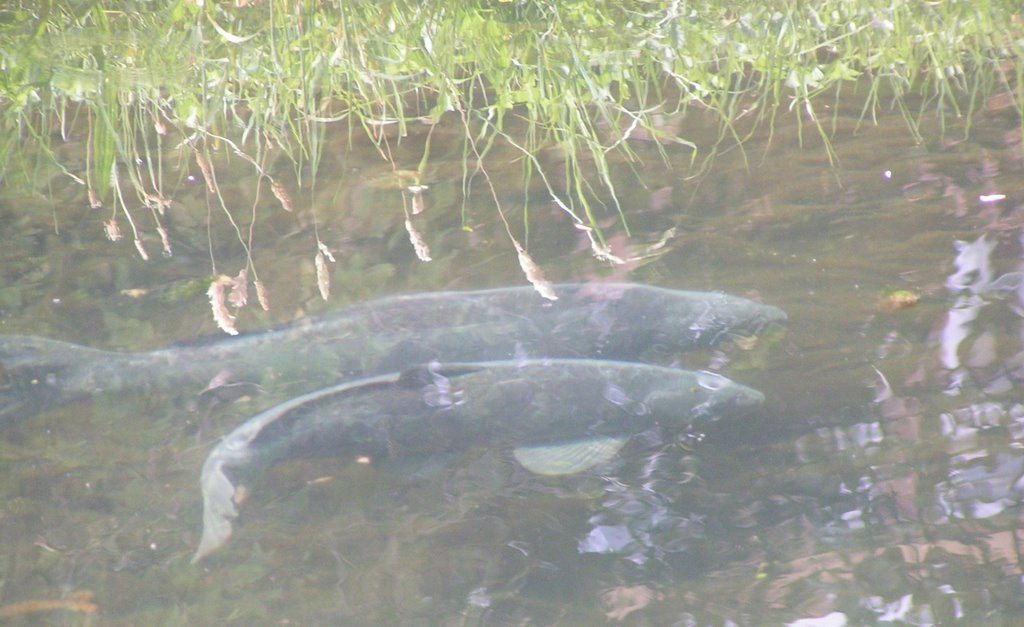
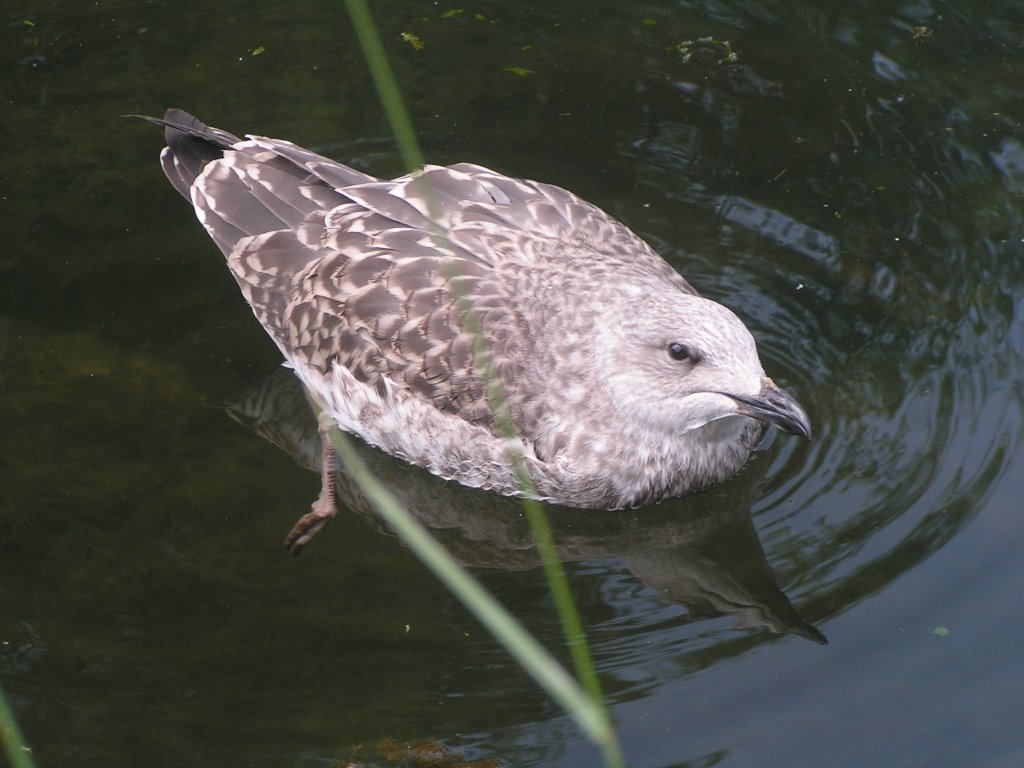
a lone young Herring Gull faces an uncertain future


whilst what appear to be sleek grey Koi carp make a debut


click photos to enlarge


or are they possibly Barbel as suggested by my brother-in-law?

Monday, July 17, 2006

Typhoon Bilis hinders homecoming

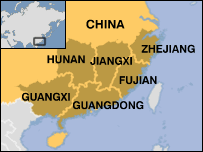
With his flight out of Hong Kong due to leave within 27 hours the son of the family is somewhere in typhoon hit Jiangxi Province, on a bus journey scheduled to take around 12 hours at the best of times to Shenzen in Guandong Province near Hong Kong.

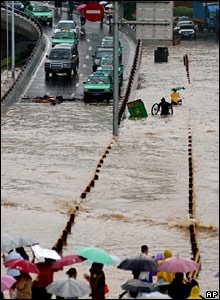
Torrential rain following the storm has hit Southern China hard bringing severe flooding and landslides which have forced millions to flee their homes.


A scene in Fuzhou, Fujian. Photos from the BBC.


Shaoguan, Guandong


Now missing the flight would be of little consequence compared to the misery of so many flood victims, but here's wishing that bus a safe road home.

Friday, July 14, 2006

Swan song on the Tyne

Once one of the greatest shipbuilding rivers in the world, the Tyne is currently witnessing the death throes of the last major ship yard on its legendary waters.

Shipbuilders Swan Hunter have probably built their last ship following a government decision to remove two naval vessels for completion elsewhere because of massive cost overruns and time delays. The yard's future is now likely to lie in ship-breaking rather than ship-building.


Famous ships such as the Mauretania, once the largest ship in the world and which held the coveted Blue Riband for the fastest Atlantic crossing, the Carpathia which rescued the survivors from the Titanic and HMS Ark Royal the current flagship of the Royal Navy were all built at their Wallsend yard.

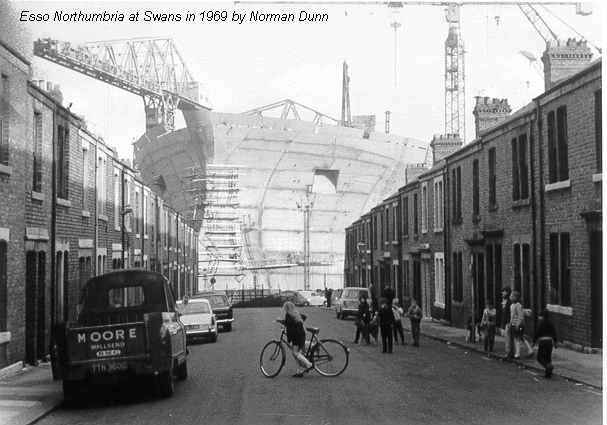
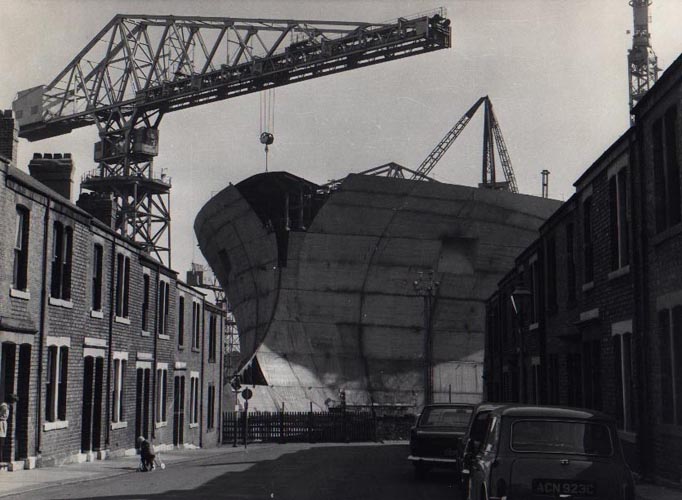
In the early 1970s they produced several 'supertankers' which, during construction, towered over the adjacent terraced houses. (See pictures below by Norman Dunn. click to enlarge)


Wednesday, July 05, 2006

Grandad & the march from Kabul to Kandahar

6 British soldiers have been killed in Afghanistan's volatile Helmand province in the last 4 weeks bringing into question why our troops are there and whether they can they succeed in their mission when it is by no means certain what their mission is.

History shows that foreign powers rarely prosper in remote Afghanistan and certainly not in the long-term as the once mighty Soviet Union learned to their cost.

One earlier British military success there occurred in September 1880 when Lieutenant General Sir Frederick Roberts led a force of 2,562 British and 7,151 Indian troops to relieve surviving troops from a defeat on 27 July by the Afghan ruler Ayub Khan at Maiwand; who were besieged in Kandahar 40 miles to the west .
The relief force from Kabul reached Kandahar on 31st August 1880 and rescued the beleaguered defenders. Roberts had force marched his troops 300 miles, through hot and harsh terrain, in three weeks, a feat which entered the annals of army history.

Much later, in 1914, when Grandfather Charles Gordon was training with the Northumberland Fusiliers in Buckinghamshire he was billeted with a Mr Arnold and family in Chesham. One evening Grandad arrived back at the Arnold's complaining bitterly about a 20 mile route march he had completed that day. Mr Arnold, who was a veteran of that long march from Kabul, chided him; "Charlie" he said " that's nothing, you should have been on the march from Kabul to Kandahar."


The British and Indian regiments were to finally withdraw from Afghanistan in 1881 following the Treaty of Gandamak whereby a large part of Afghan territory became part of India, including much mountainous tribal territory. 65 years of conflict between tribes there and the British and Indian armies followed. Roll forward to Helmund province, July 2006 where a small and underesourced British force is on a hiding to nothing.

"Those who ignore history are condemned to repeat it"

Saturday, July 01, 2006

The Somme. July 1, 1916

90 years ago today, at 07.30 hours, the Battle of the Somme began and by the end of the day 20,000 British and Empire soldiers had been killed and 40,000 wounded; amongst them coal miners from Northumberland, men from the slums of the East End of London, and the Prime Minister's son, Raymond Asquith of the Grenadier Guards.

When the battle ended in November the British casualties numbered 420,000 dead, wounded and missing , the French more than 200,000 and the Germans around 650,000. Most of these men were from the industrial working classes whose pre-war lives would have had more in common with each other than with the politicians who led them into war and with the Generals who directed them into a maelstrom of futile and senseless slaughter in a landscape of unimaginable privation.

My grandfather Charles Crow Gordon was at the Somme that day, serving as a signaller with the 14th Battalion of the Northumberland Fusiliers. Charles had volunteered in Newcastle upon Tyne in September 1914, finally returning home in 1918.

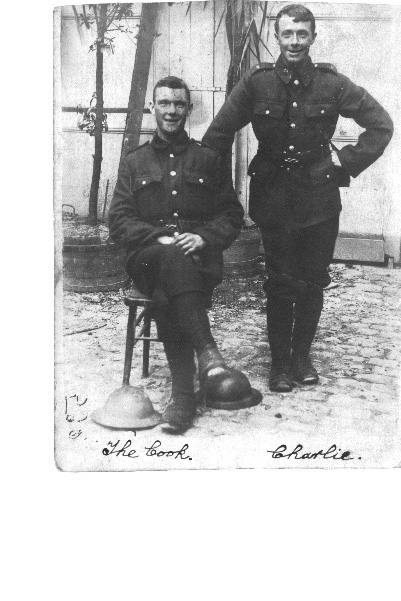
The photograph below shows my Grandfather Charles standing next to his comrade and friend Ernie. The photo was sent to Charles by Ernie on 24 August 1931 with the following words:

"Dear Charlie, ...... Hoping you are all well......thought this would bring memories of Arras, August 1916 after July 1 on the Somme, Yr old friend Ernie."


Thursday, June 29, 2006

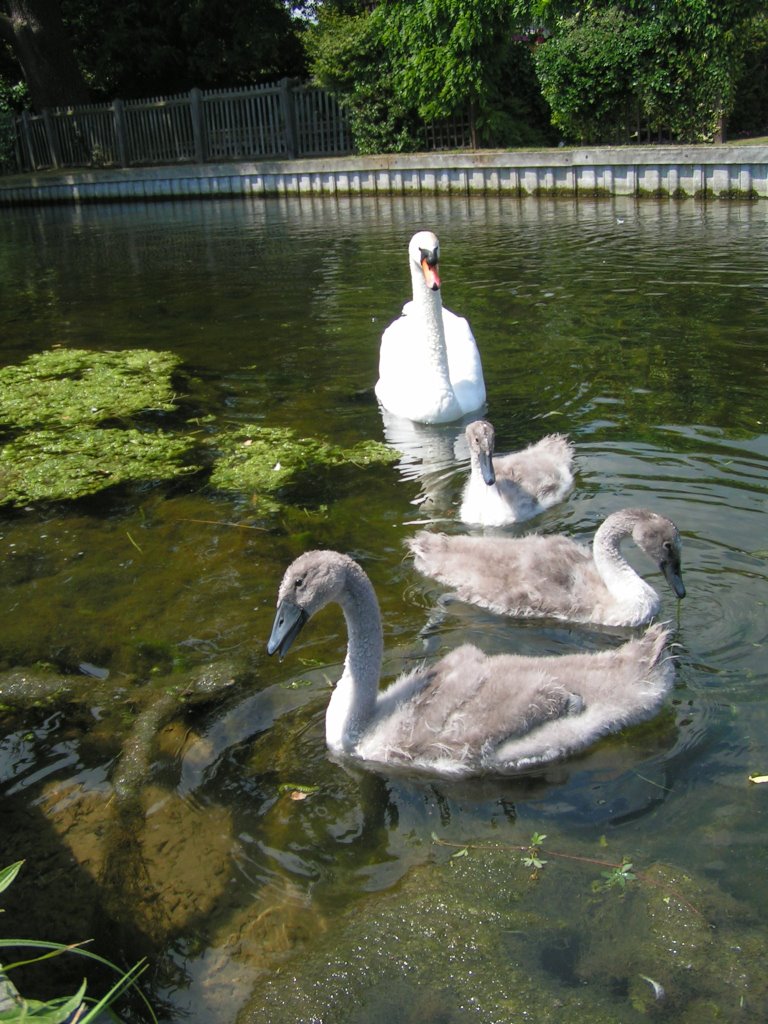
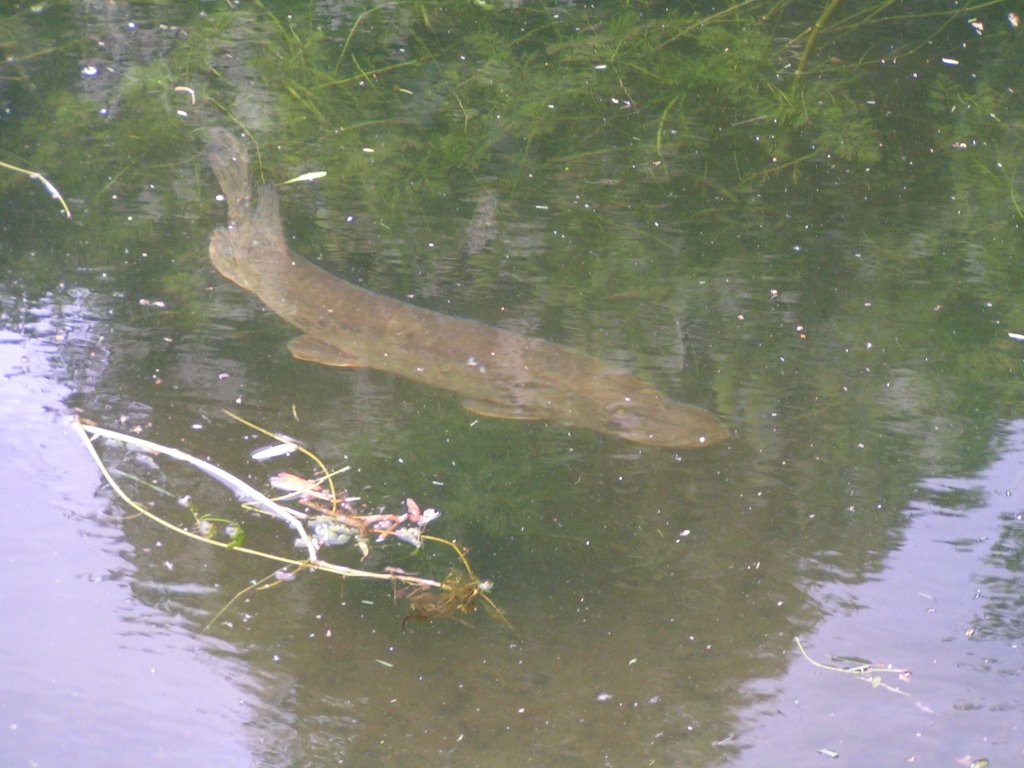
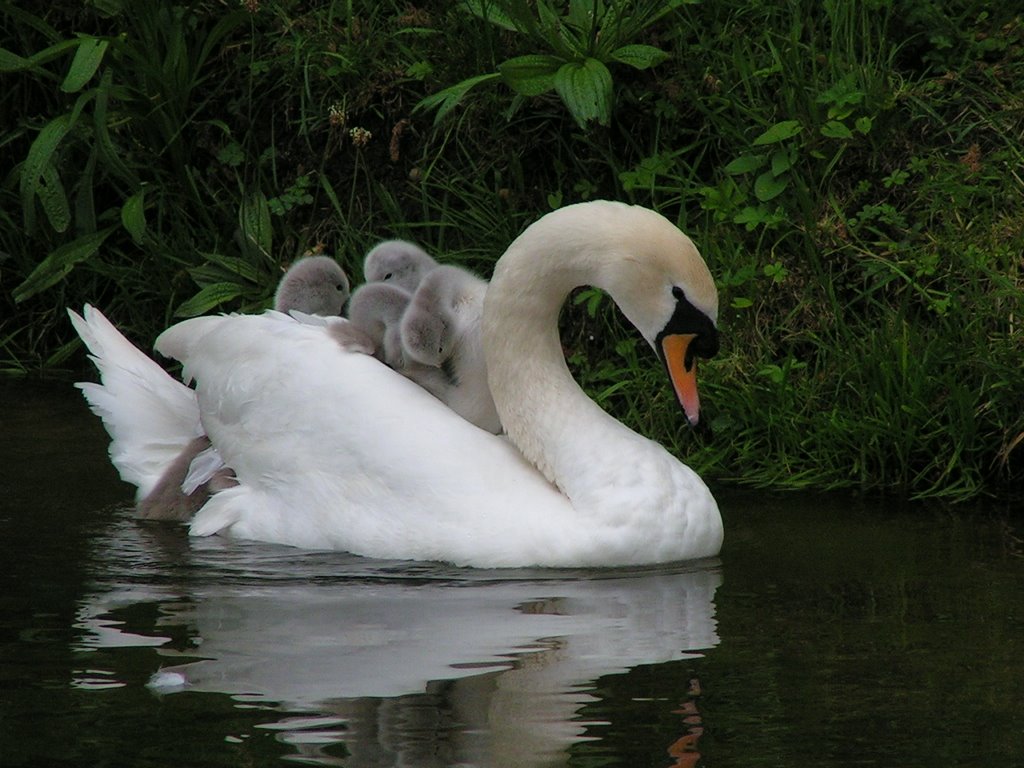
Cygnets, Ducklings and a Predator on the New River

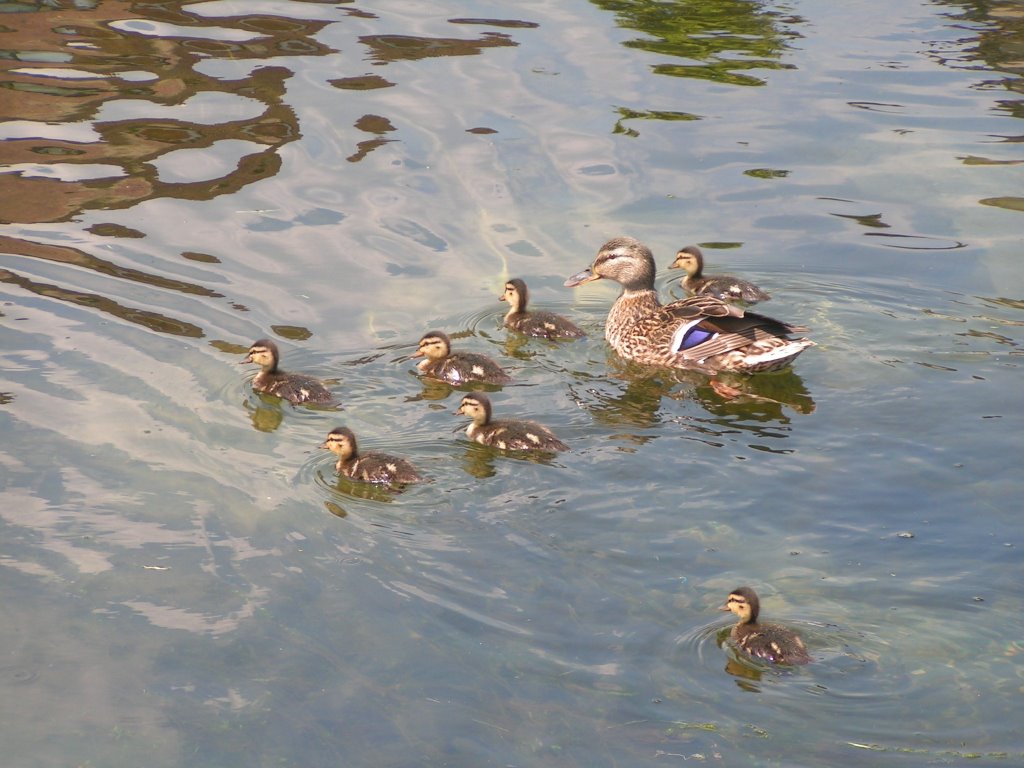
Sighted on the New River at lunchtime today a mum with seven ducklings:


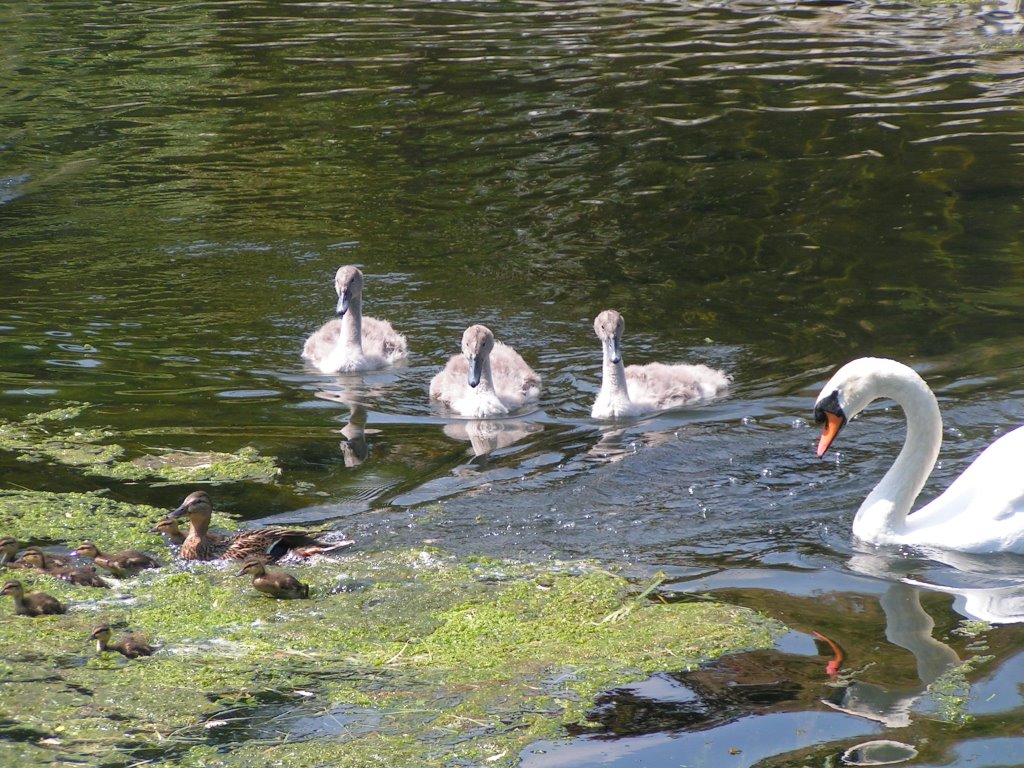
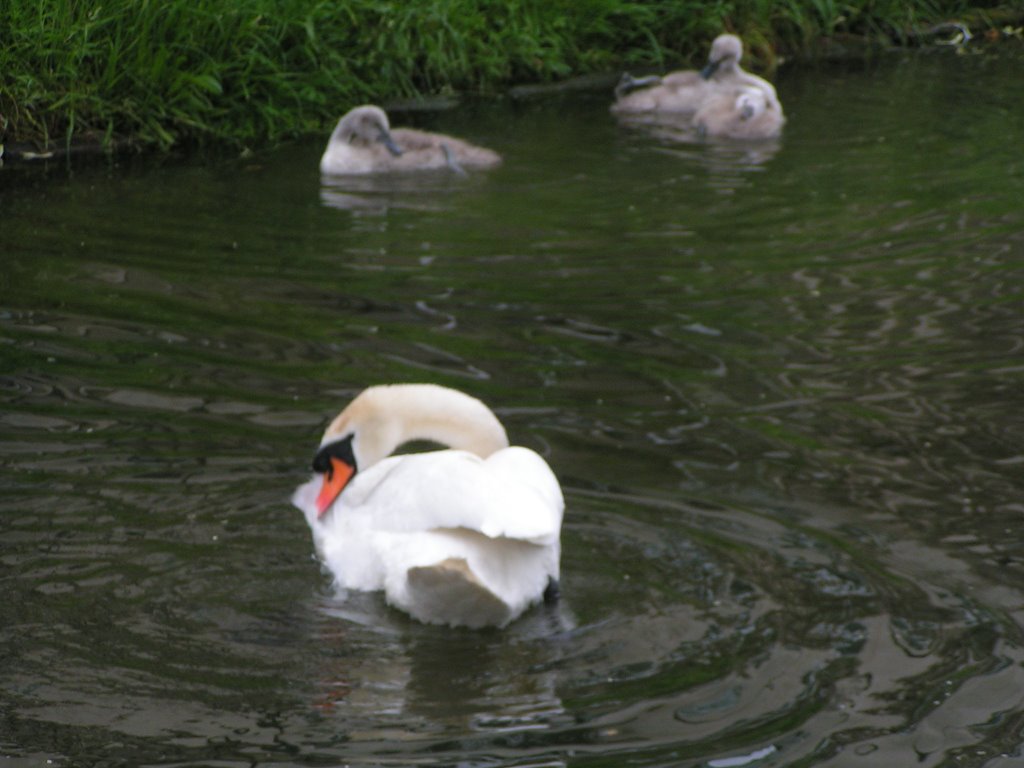
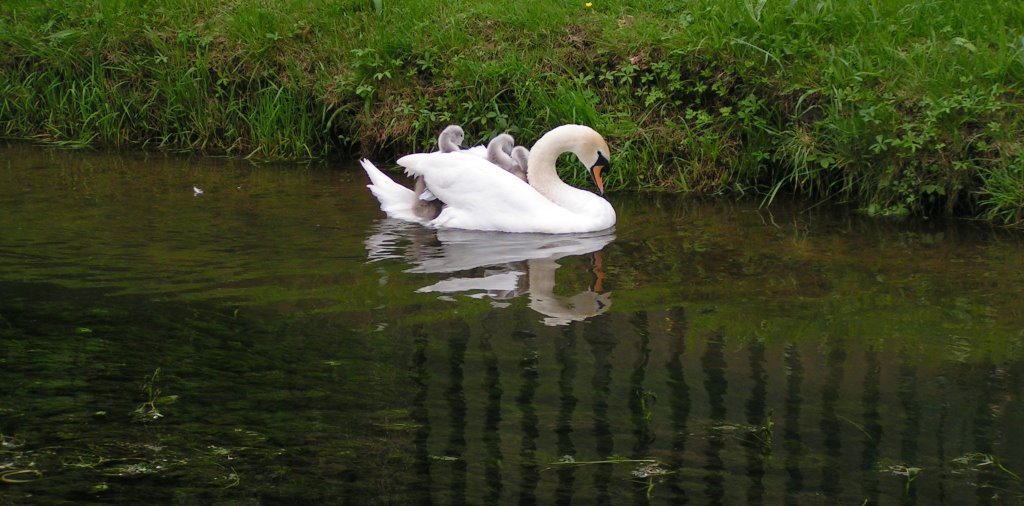
chased by a mum and three cygnets


whilst beneath the calm waters a Pike lies in wait


click on photos to enlarge

Sunday, June 18, 2006

Father's Day at Tate Modern

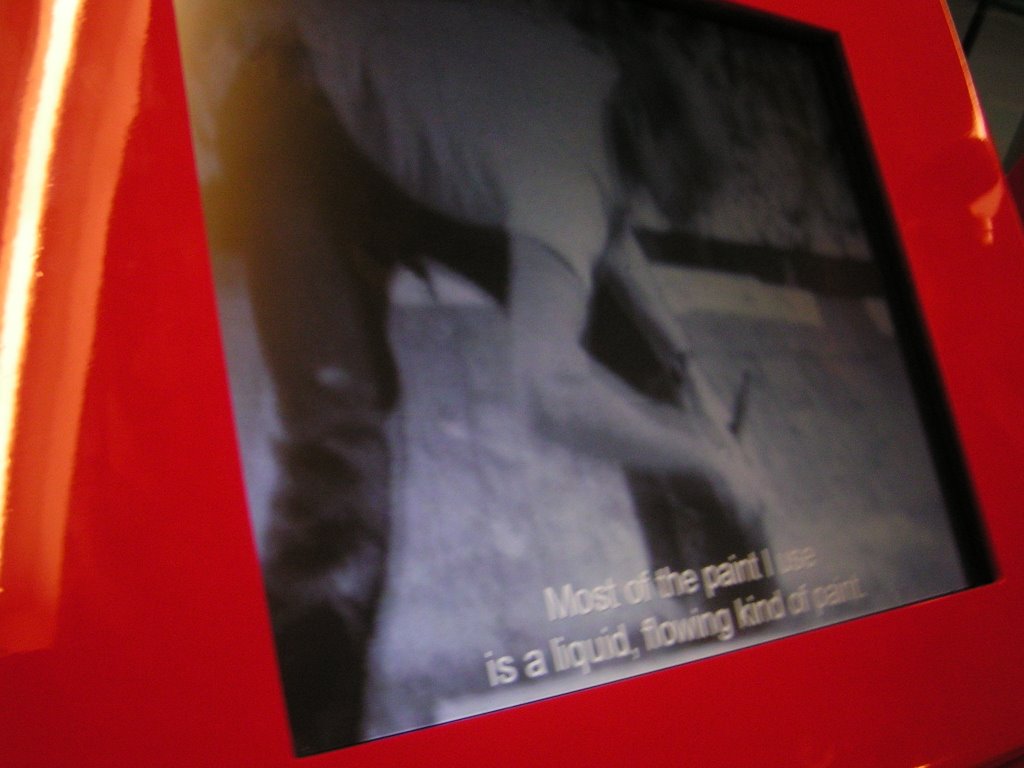
A day which began with a good breakfast and felicitations from senior offspring in the Netherlands and the PRC continued with a trip toTate Modern with younger daughter where we saw a film of Jackson Pollock at work:

click on photos to enlarge

and some wooden stuff in juxtaposition:


and a visitor in the Turbine Hall:

Tuesday, June 06, 2006

Nigerian Centenarian Looks Back

An earlier post celebrated the 100th Birthday of Alhaja Nimota Ashabi Lediju. I was fortunate enough to meet Alhaja Lijedu, a dear friend's grandmother, in Lagos in the early 80s. She has recently been interviewed by This Day newspaper.

The full interview can be found at the link below but here is an extract:

"Growing up in Lagos Island was interesting. .... I remember as a kid a train called 'Victoria Train' used to pass in front of our house in Ebute-Ero on the Island ....... there was discipline in the neighbourhood. The environment was friendly and cordial. As a matter of fact, it wasn't only your parents that could discipline you. You could be disciplined by another parents from six houses away without your parents raising an eye brow. ......the boy friend and girl friend stuff that are now in vogue was a taboo during our days......"


full interview : http://www.thisdayonline.com/nview.php?id=49610

Saturday, June 03, 2006

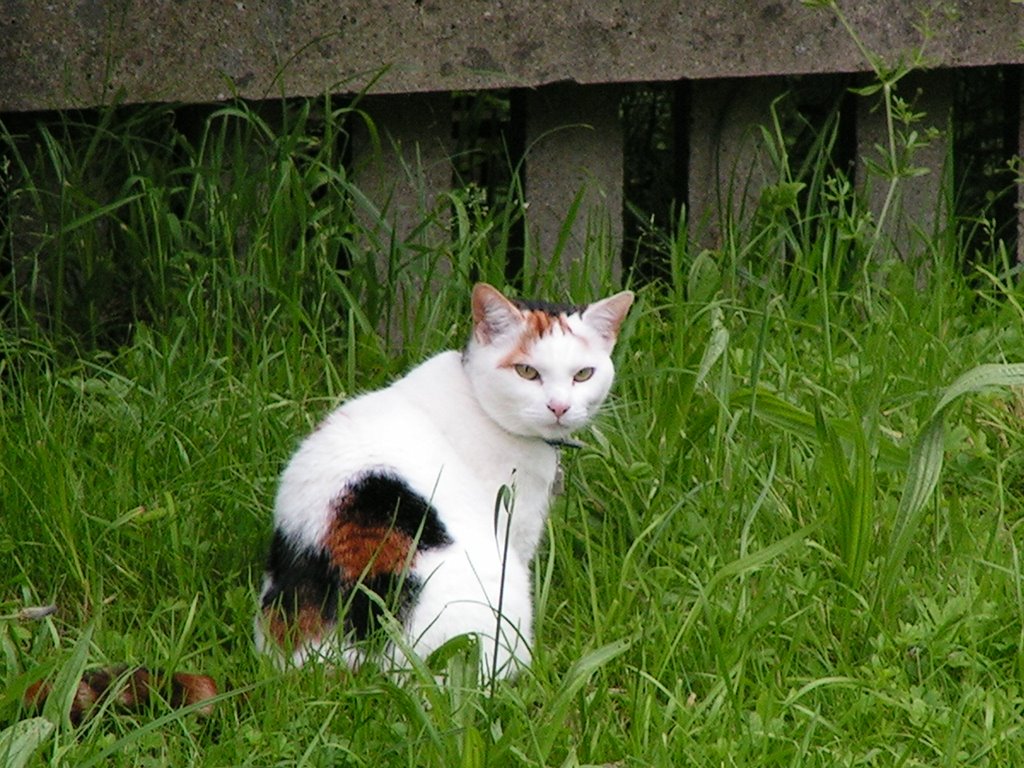
New River's Most Wanted?

Spotted on the river bank on Friday; are these the likely suspects behind the dearth of river bank hatchlings?

Friday, May 26, 2006

Monday, May 15, 2006

History of the New River

There are several New Rivers around the world but none perhaps as unique as that upon which the coots described here struggle for survival.

Our local New River is neither new nor a river as it is actually a man made water course on which work began way back in 1609 and was completed in 1613.

It was built by Sir Hugh Myddelton, a Welsh engineer, who set out to provide a source of fresh water to the citizens of London. This artificial channel starts near Ware in Hertfordshire, about 20 miles to the North of London, but it meanders around the contours over an actual distance of some 40 miles. The river was an engineering wonder of its time as it carried water down a gradient of between two and four inches in the mile. It used to end near Sadler's Wells theatre in Islington but now does so near a reservoir in Stoke Newington, North London. Its waters are pumped from there via a pipe to a water purification works in Walthamstow a few miles to the east.

It was opened on 29 September 1613 by the Lord Mayor of London, Sir Thomas Myddelton, who was Hugh's brother. Most of it is still in use today under the ownership of Thames Water, and it still supplies the capital with drinking water 393 years later. Its current capacity is around 40 million gallons per day, some of which is pumped from the nearby River Lea.

Sunday, May 07, 2006

Giant Elephant charms London

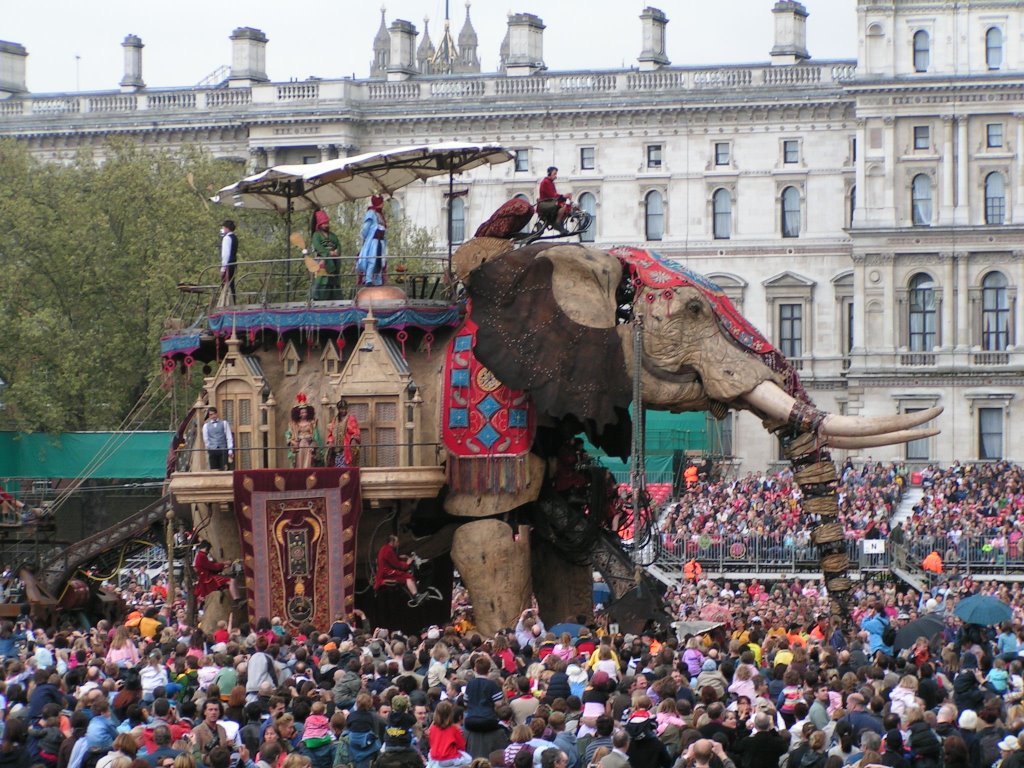
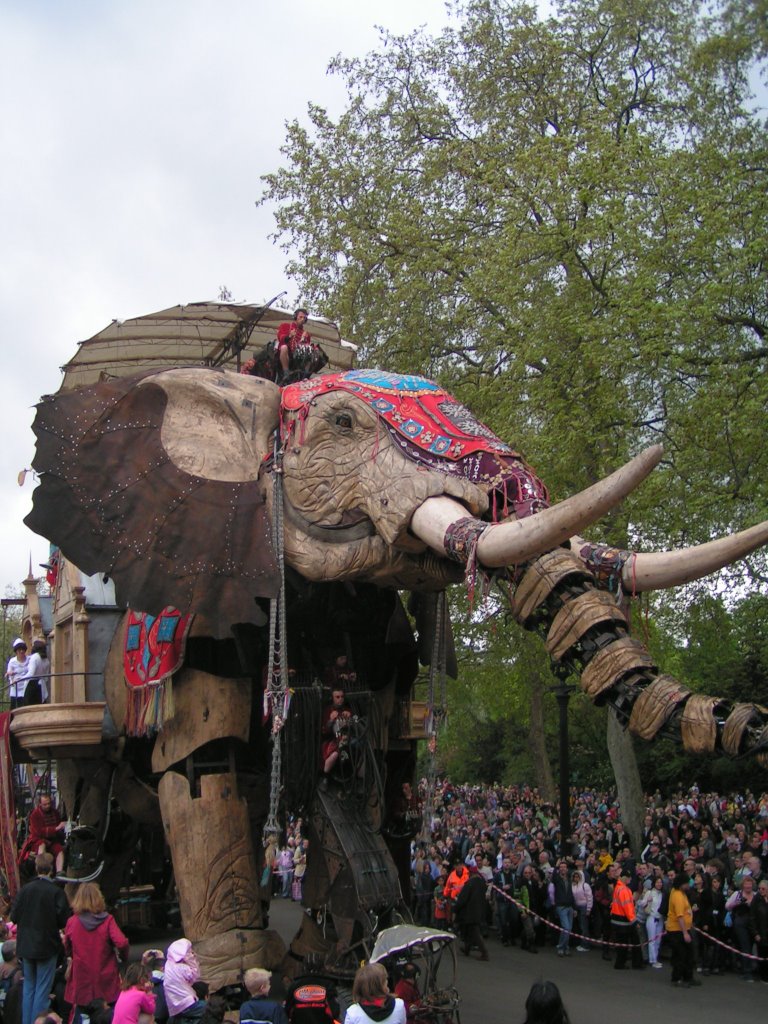
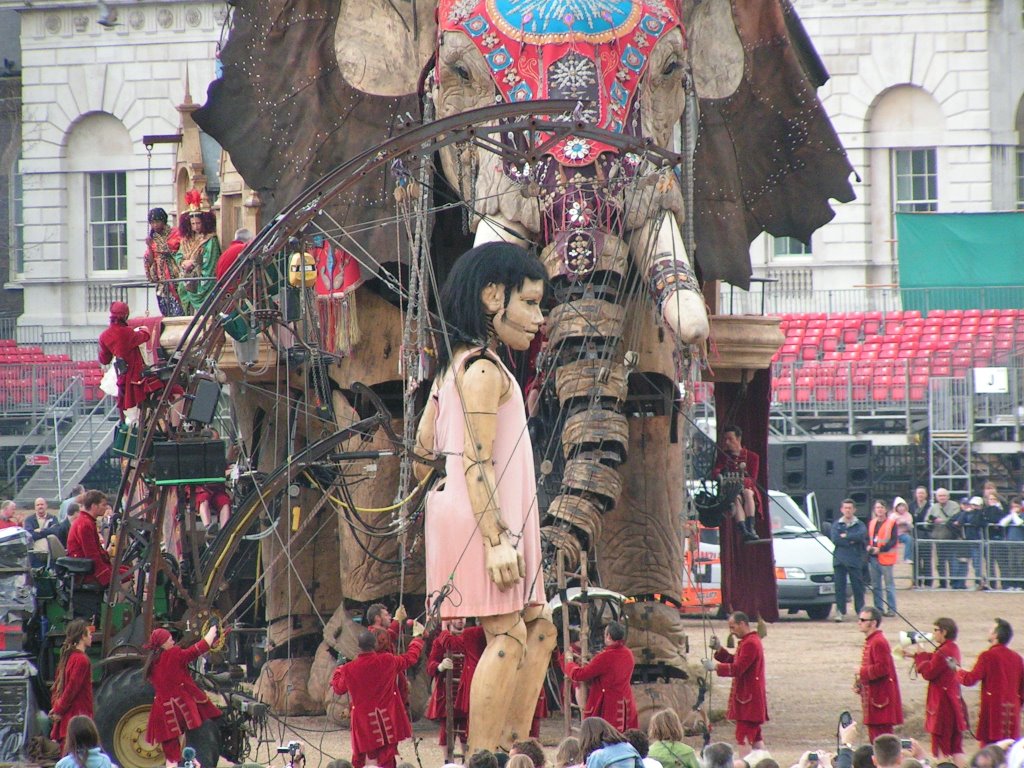
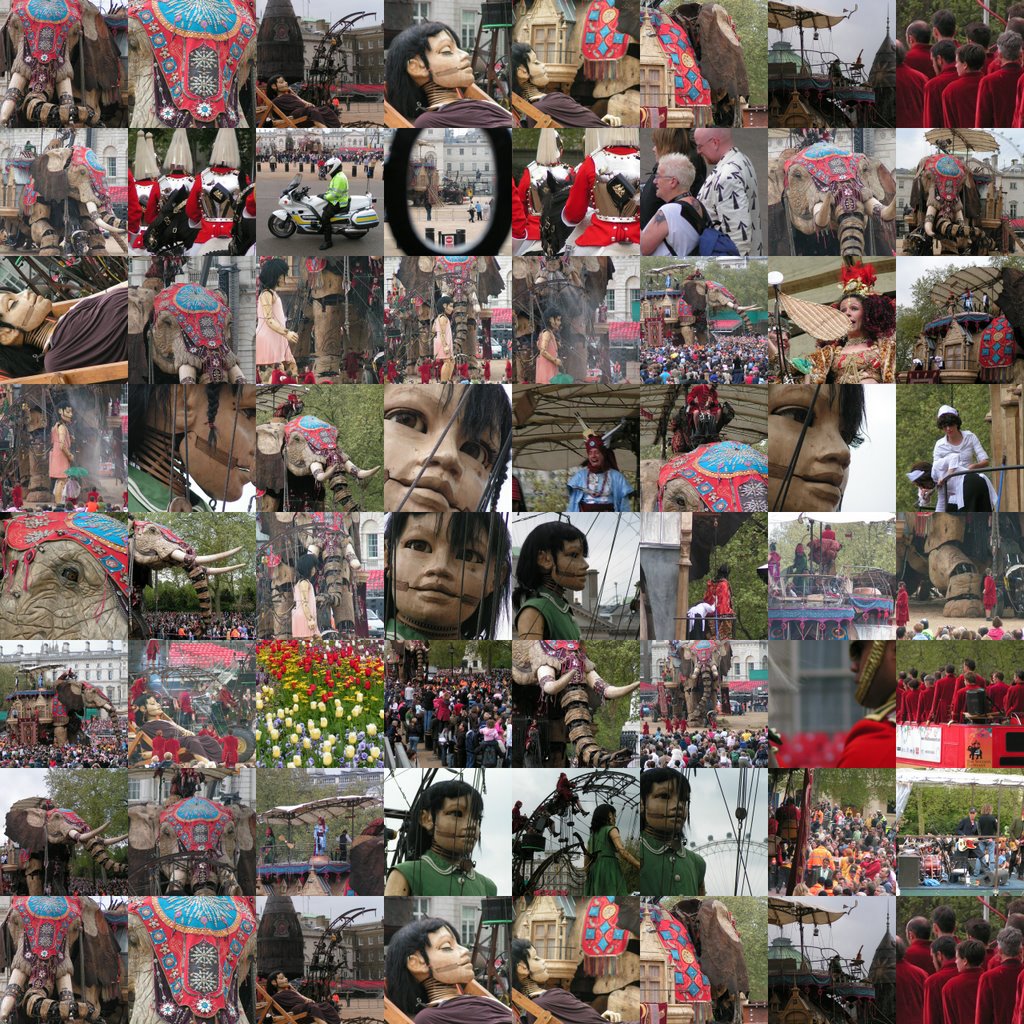
The Sultan's Elephant, a forty feet high mechanical Pachyderm weighing 42 tonnes, captivated all who viewed it in central London this weekend. Created by the French company, Royal de Luxe, it was commissioned to mark the centenary of Jules Verne.

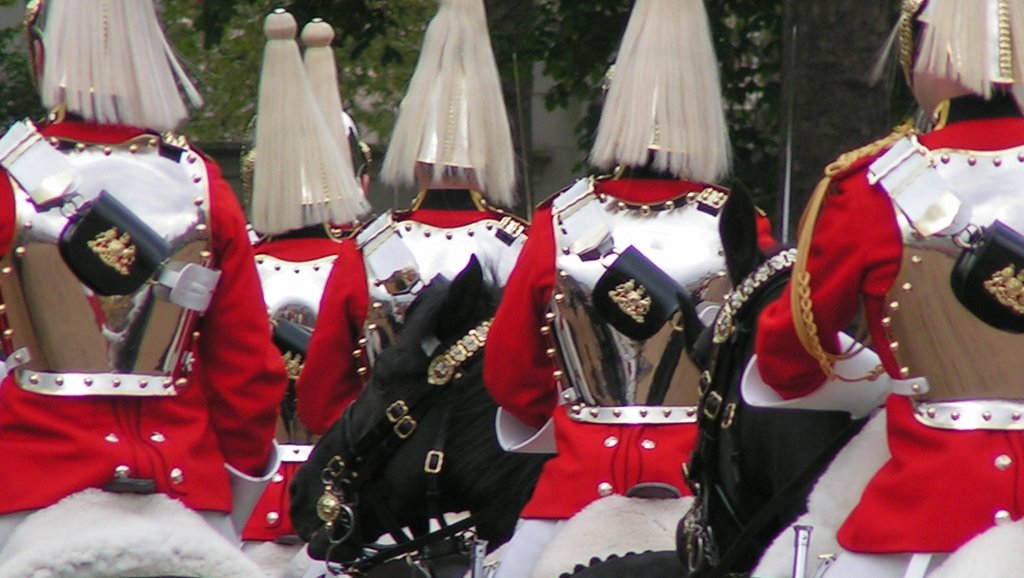
Here are some photos I took today ( click them to enlarge):

the Elephant gets ready to leave Horse Guards Parade:


Heading towards The Mall:


A rear view:


A larger than life girl accompanied the Elephant:


The Lifeguards kept an eye on the proceedings:


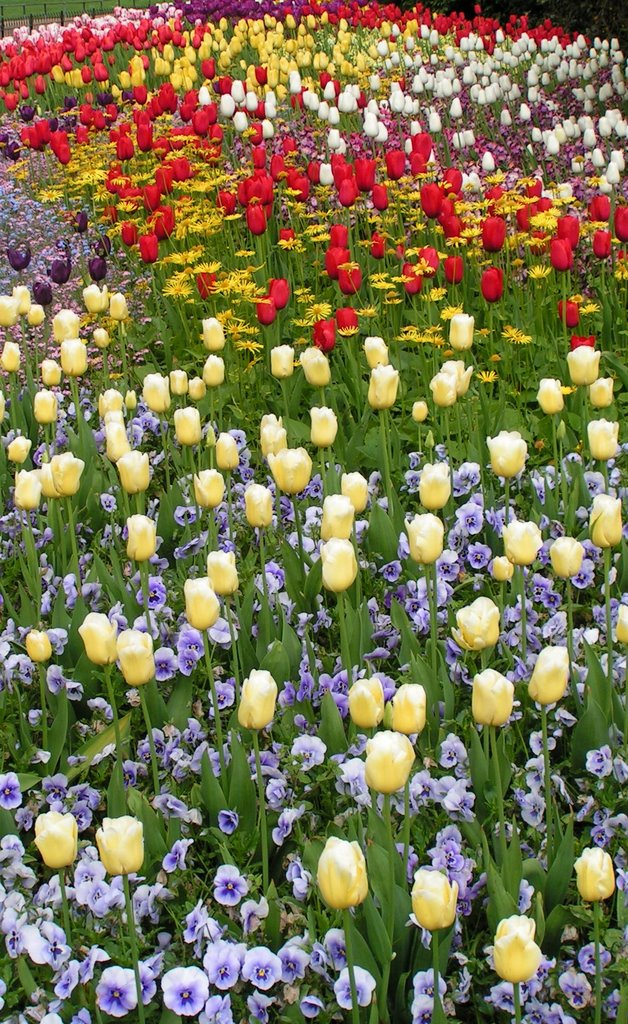
And the flower beds in nearby St. James Park were in full bloom:


Read more about the event at: http://www.thesultanselephant.com

Saturday, May 06, 2006

Springtime on the New River

The coots are busy building nests out of grass, twigs and other debris on the calm waters of the New River.

Mr Coot brings back some nesting material:


and passes it to Mrs Coot:


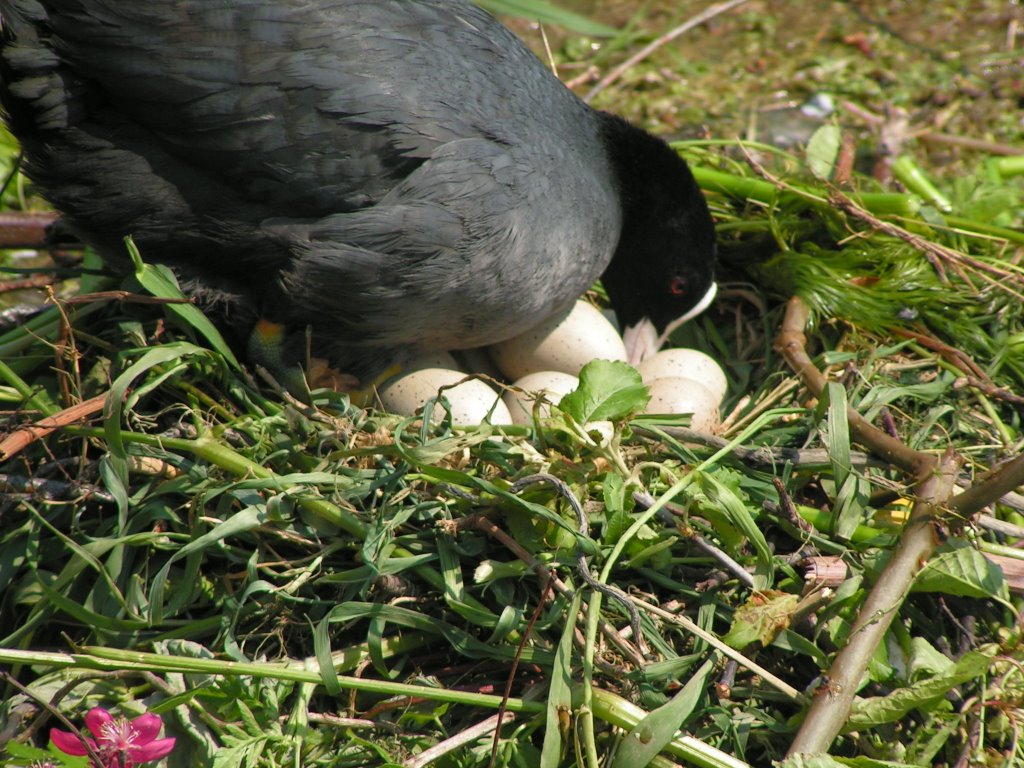
Mrs Coot moves her eggs around a little:


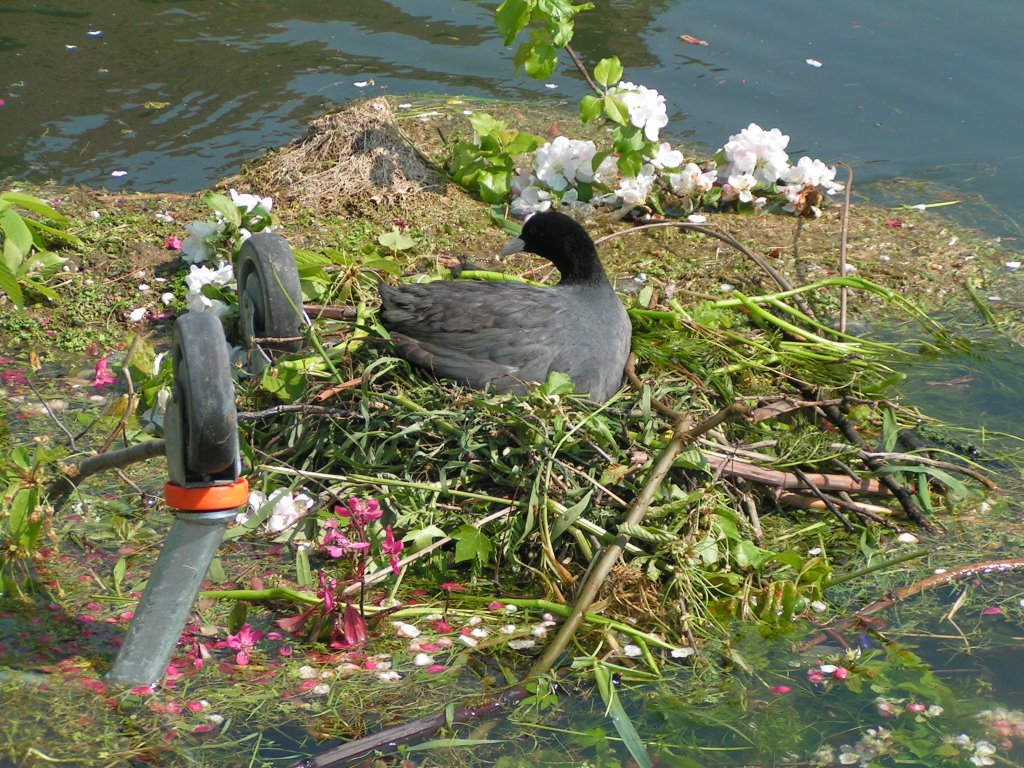
and settles down for a spot of incubation:


so that's what discarded supermarket trolleys are for! (click on photos to enlarge)

Coot: Fulica atra. AKA: Common coot, which is all-black and larger than its cousin, the moorhen, it has a distinctive white beak and 'shield' above the beak which earns it the title 'bald'. Coots prefer to live on areas of fairly shallow standing freshwater with a muddy bottom and plenty of vegetation at the sides. Found mainly in lowland areas they eat vegetation, snails and insect larvae.

Sunday, April 23, 2006

Tyneside Journey

A sentimental journey with the Matriarch and younger daughter to the Homeland this weekend:

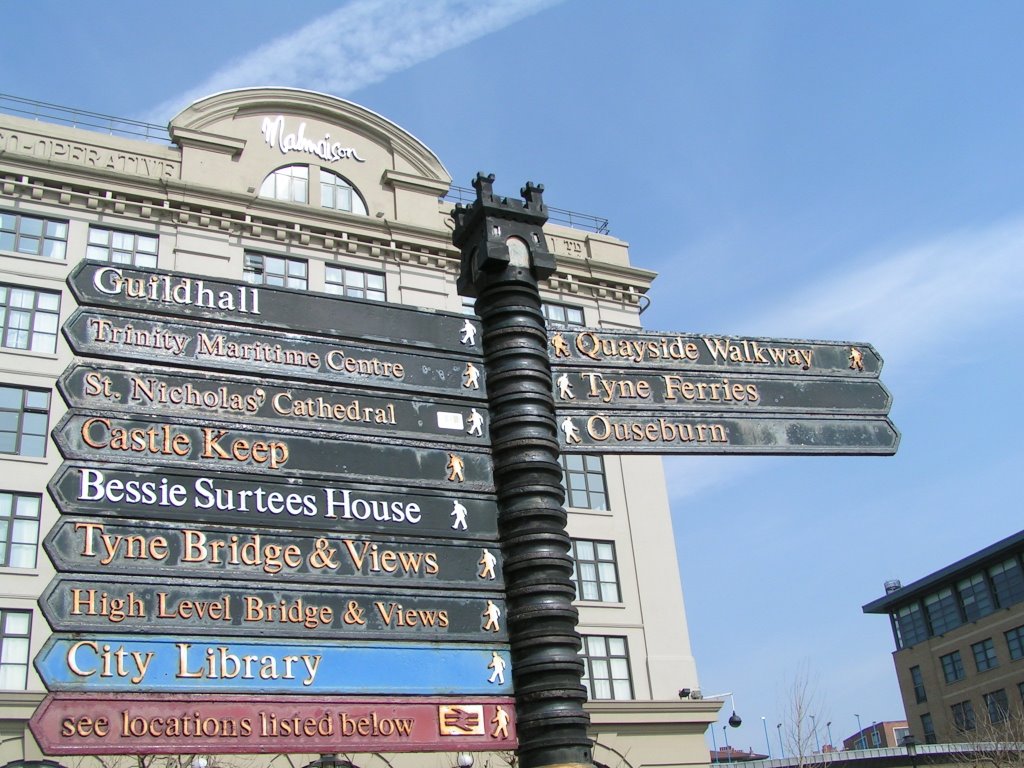
Which direction?


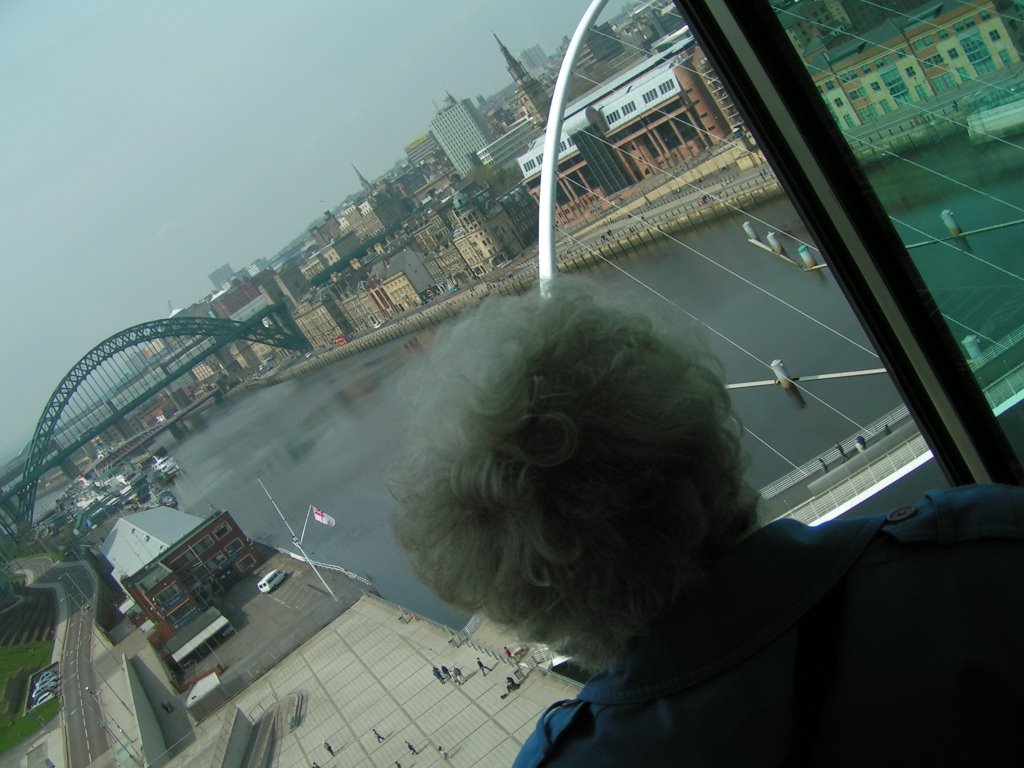
The Matriarch surveys the quayside, at and near which several relatives from earlier generations worked and lived:


These shirts can be seen everywhere in the city:


Local Hero:


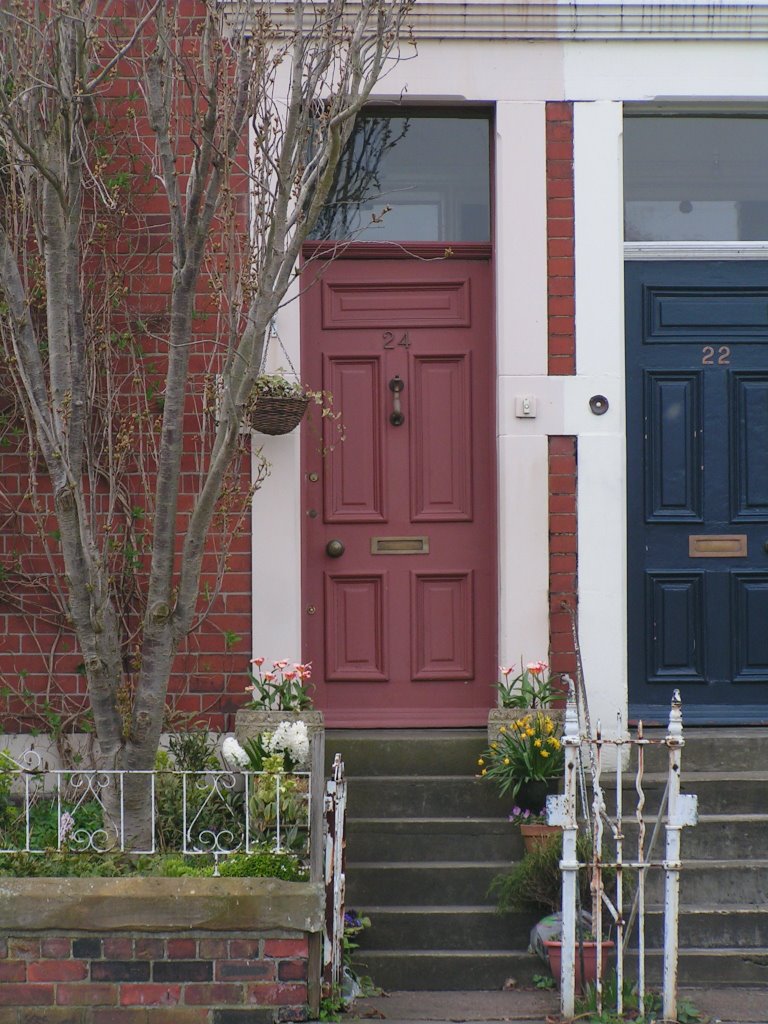
The old family home:


And on this St George's Day, memories of a gentle man whose birthday is remembered.

Saturday, April 15, 2006

Winslow Homer and Northumberland Fisher Folk

A trip to the Dulwich Picture Gallery today to see a marvelous exhibition of the work of American artist Winslow Homer (1836-1910). Homer has a strong connection with Northumberland and in particular Cullercoats.
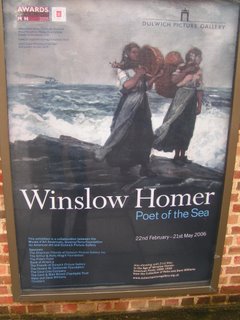


In the 1880s, Cullercoats, now part of Tyne & Wear, was a small Northumbrian fishing village, surrounded by industrial and coal mining communities, but it was also home to a flourishing community of artists.

Homer made two trips there during 1881 & 1882 and his wonderful paintings, water colours mostly, from that period capture scenes from the everyday lives of the local fishing community. He stayed in a hotel called the Hudlestone Arms which, along with the fishing community, is long gone. The old fishermen's cottages were demolished during 1960's and 70's but the local fisher folk of the 1880s live on in the work of one of America's most famous artists.

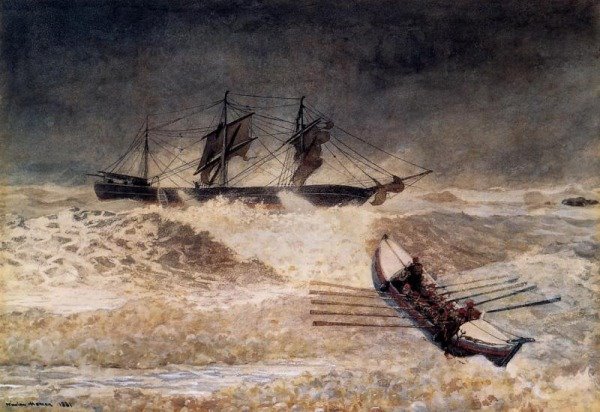
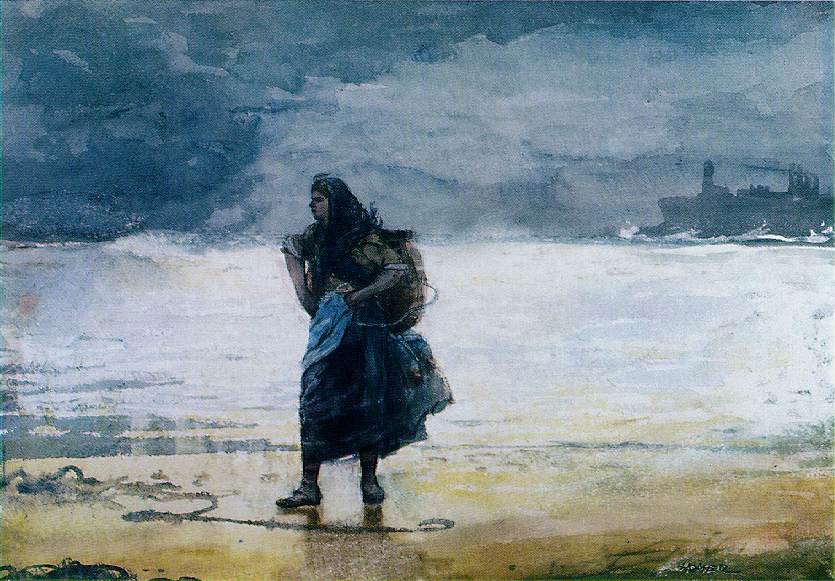
Many of Homer's Cullercoats paintings depict the village's fishwives who mended the nets and prepared and sold the fish caught by their men folk, as well as bringing up their families. According to local Historian Ron Wright a local lass called Maggie Jefferson appears in half a dozen of the Cullercoats paintings. Her family lived next door to Homer's studio; she later married a fisherman called William Storey and was a mother to an astonishing 17 children, she died in 1957 aged 88. Homer was to paint more than 20 watercolours of the people and views of Cullercoats, including one of a rescue of the crew of the ship, the Iron Crown ( see picture below) which he witnessed during a heavy storm at the mouth of the River Tyne in October 1881.
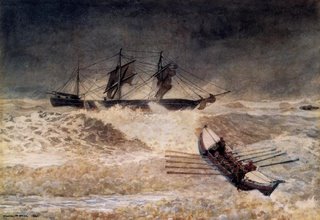
(click to enlarge)

Homer was a self-taught artist whose career began as a Civil War illustrator with the American magazine Harper's Weekly. After his stay in Cullercoats he began to concentrate on marine subjects and he is considered by many to be one of the greatest painters of the sea.


Fisherwoman,(probably 1882) the ruins of Tynemouth Priory and a lighthouse can be seen in the background. The lighthouse is no longer there. (click to enlarge)

In May 1998, Microsoft chairman Bill Gates paid a record £17.8 million for Lost on the Grand Banks, ( see below) Homer's last major seascape.

(click to enlarge)
Tuesday, March 28, 2006

"The Meek shall inherit the Earth." Matthew 5:5

Whilst hundreds of millions of our fellow men, women and children around the world survive on very little, many with no clean water to drink and little or no food to eat, we in the wealthier nations tend to consume to the limit that our salaries and credit cards allow.

Our homes are full of the latest gadgets, our wardrobes overflow with clothes rarely worn and we replace perfectly serviceable TVs, Hi-Fis and other appliances with newer models and then discard the old ones to pollute land and water.

All the things we collectively purchase require the consumption of raw materials in ever increasing quantities; the energy to produce and deliver them to us comes overwhelmingly from non-renewable sources and our economic way of life and standards of living depend upon a cycle of constant growth, increased demand, more production, more energy, more waste.

Is this way of life sustainable? In the short-term perhaps, in the long-term almost certainly not.

If western patterns of consumption are matched by the fast growing Indian and Chinese economies there simply wouldn't be enough oil and other raw materials to go around. Daily demand for oil from China alone would outstrip current worldwide daily production within the foreseeable future. All modern and developing economies are based on, and driven by, oil and natural gas; but these finite resources will , despite all the oil sands in Canada, run out one day.

And if a huge body of scientific opinion is correct our seemingly insatiable demand for more and more and our selfish disrespect for the natural world around us is causing global warming to increase at an unprecedented rate.

A handful of British MPs have recently called for radical measures to be taken; in effect for people to be forced to consume less to help to save the planet. The logic being, consume less, produce less, burn less fossil fuel, reduce greenhouse gases, and slow down or reverse global warming and hopefully save the planet for future generations to enjoy.

A concept doomed to failure however. Consuming less would mean less production, fewer jobs, less income, lower standards of living, less tax and fewer public services such as health provision leading to a downward spiral of relative impoverishment which few of us in the west could contemplate let alone volunteer for.

And even if the population of the UK were prepared to make such sacrifices the effect on the world's climate would be negligible and the effect on living standards would be immense. Only if all major economic countries in the world could agree to a mass reduction of material consumption would there be any possibility to reverse any man made global warming. Is that likely? Of course not, it's a Utopian fantasy. National and individual self-interest would prevail and those of us privileged enough to afford foreign travel for example will still take to the skies in ever increasing numbers, flying over diminishing natural habitats on our way to exotic destinations, until the fuel finally runs out.

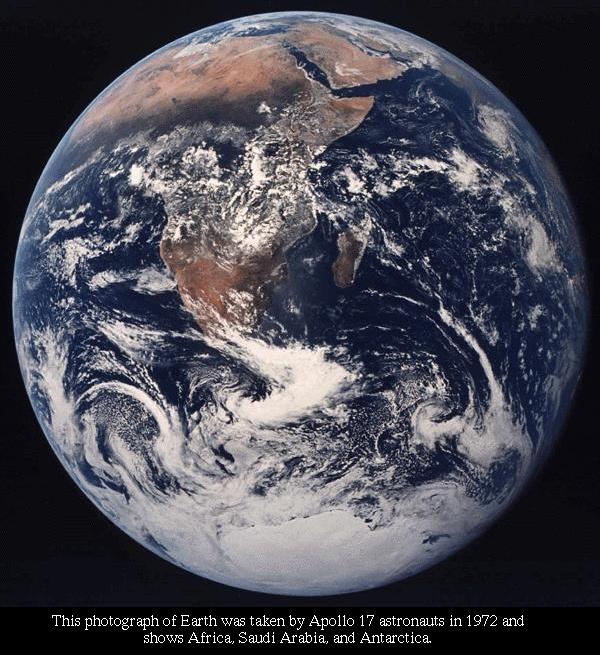
If man-made global warming theories prove correct and our economies and civilizations do eventually break down as fossil fuels run out, and modern oil driven agricultural systems collapse, and high seas and storm surges fed by the melting ice caps of Greenland and Antarctica, overwhelm sea defences and flood major cites and prime agricultural land on coastal plains; then the people best able to survive will be the meek amongst us who today scratch a meagre living from the same Mother Earth we collectively seem hell bent on destroying.